A change order is a written amendment to a construction contract that modifies the scope of work, the contract price, the schedule, or all three — and both the owner and the contractor must sign it before the changed work proceeds. Industry data shows change orders average 8-14% of the original contract value on poorly planned commercial projects, but stay under 3-5% on projects with thorough preconstruction planning. On a $2 million building, that difference is $100,000 to $220,000 — which is why understanding change orders before you sign a contract is one of the highest-value things a commercial owner can do.
What Is a Change Order in Commercial Construction?
In formal terms, a change order is a bilateral modification to the construction contract. Under the AIA A201 General Conditions — the document that governs most commercial projects in Texas — Article 7 covers "Changes in the Work" and defines three instruments:
- Change Order (AIA G701): A written agreement signed by the owner, contractor, and architect that changes the scope, adjusts the contract sum, and adjusts the contract time. This is the standard instrument, and nothing about your price or schedule officially changes without one.
- Construction Change Directive (CCD): An order from the owner and architect directing the contractor to proceed with changed work before the price is agreed. CCDs keep the job moving during a pricing dispute, but the cost gets settled later — often by time-and-materials accounting.
- Minor change in the work: An architect-issued clarification that does not affect price or schedule and does not require owner signature.
The key word in all three is written. A verbal "yeah, we can do that" from a superintendent is not a change order, and Texas courts routinely enforce contract clauses requiring written authorization. If work is changing on your project and paper is not moving with it, stop and fix that first.
Why Do Change Orders Happen on Commercial Projects?
Change orders come from four sources, and each one has a different prevention strategy:
- Unforeseen site conditions. The classic examples in East Texas are soil surprises — expansive red clay that requires an engineered slab-with-piers foundation adds $8-15 per square foot — plus buried debris, unmarked utilities, and groundwater. These generate some of the largest single change orders on ground-up projects.
- Owner-requested changes. The owner decides mid-project to add a second office, upgrade finishes, or relocate a wall. These are legitimate and sometimes smart, but they cost 25-50% more mid-construction than they would have cost if drawn into the original plans, because installed work often has to come out.
- Design gaps and errors. Incomplete drawings are the quiet driver behind a large share of change orders. If the plans show a wall but not the blocking behind the wall-mounted equipment, the missing scope becomes a change order. Projects bid from 60% construction documents will always see more changes than projects bid from 100% documents.
- Code officials and inspectors. A plan reviewer or field inspector can interpret the IBC or local amendments differently than the design team did — an extra exit sign circuit, a fire-rated assembly upgrade, an accessible route revision. These changes are non-negotiable, and the only real defense is a design team and contractor who know the local jurisdiction.
To see where each of these risks appears in a project's life, walk through our overview of the commercial construction process step by step — most change orders trace back to shortcuts taken in the first three phases.
How Much Do Change Orders Typically Cost?
Across the commercial construction industry, studies consistently put cumulative change orders at 8-14% of original contract value on projects with weak planning, and 3-5% or less on projects with strong preconstruction. Individual change orders on small commercial work commonly run $2,000 to $50,000; a single unforeseen-conditions change on a ground-up project can exceed $100,000.
The dollar amount is only half the impact. Change orders also consume schedule — a typical scope change adds days to weeks while pricing is negotiated, materials are ordered, and sequencing is reworked. On a project carrying a construction loan at 2026 interest rates, four extra weeks of interest, insurance, and lost operating revenue can cost as much as the change order itself.
How Are Change Orders Priced?
There are two standard pricing methods, and your contract should specify both the method and the allowed markups before the first change ever appears:
Lump Sum Pricing
The contractor prices the complete change — labor, material, equipment, subcontractor quotes — and submits a fixed number. This is the preferred method for defined changes because the owner knows the full cost before authorizing the work. Ask for the backup: subcontractor quotes and quantity takeoffs, not just a bottom-line figure.
Time and Materials (T&M)
For work that cannot be defined in advance — exploratory demolition, unknown underground conditions — the contractor tracks actual labor hours and material invoices, then adds the contract markup. T&M is fair when scope is genuinely unknowable, but it should always carry a not-to-exceed cap.
Overhead and Profit Markups
Either way, the contractor adds overhead and profit to the direct cost. Standard commercial markups run 10-20% combined: commonly 10-15% on the general contractor's self-performed work and 5-10% on subcontracted work, with subcontractors carrying their own 10-15% on top. Your contract should state these percentages explicitly. If a proposed change order shows markup on markup beyond what the contract allows, push back — that is exactly what the written markup clause exists to prevent.
How Can Owners Protect Themselves From Change Orders?
You cannot eliminate change orders, but four contract-stage tools keep them small and fairly priced:
- Complete construction documents. Paying your architect for 100% documents instead of bidding at 75% is the single best investment against change orders. Design fees run 5-10% of construction cost; the change orders that incomplete drawings generate routinely cost more than the fee savings.
- Allowances for undefined scope. If finishes or signage are not yet selected, carry a stated allowance — say $12 per square foot for flooring — in the contract. When the real selection is made, only the difference from the allowance changes the price.
- Unit pricing for probable risks. For risks you can name but not quantify — rock excavation, unsuitable soils — lock unit prices at bid time, such as a fixed price per cubic yard of rock removal. You pre-negotiate the rate while you still have competitive leverage.
- A real contingency. A funded owner contingency turns a change order from a crisis into a line item. Our guide to how much contingency a commercial construction budget should carry covers the right percentages: 5-10% for new construction, 10-20% for renovation.
What Are the Red Flags of a Change-Order-Heavy Contractor?
There is a business model in commercial construction built on winning work with an unrealistically low bid, then making the margin back on change orders. Watch for these signs:
- A bid 10-15% or more below every other qualified bidder, with no explanation of where the savings come from.
- A one-page proposal with no line-item breakdown, no listed exclusions, and no stated allowances. Vague scope is change-order fuel.
- A long exclusions list buried in fine print — if the bid excludes permits, testing, dumpsters, and temporary utilities, those all come back as changes.
- No stated change order markup percentages in the contract.
- Resistance to putting changes in writing before doing the work.
Vetting for this behavior is straightforward if you ask the right things up front — our list of questions to ask a commercial contractor in Texas includes asking for the change order history, as a percentage of contract value, on the contractor's last three completed projects. A contractor who tracks that number and will share it is a contractor who manages it.
How Does SYB Builders Minimize Change Orders?
SYB Builders has spent 45+ years building commercial projects across East Texas and the DFW metroplex, and our change order philosophy is simple: find the problems on paper, where they cost hundreds, instead of in the field, where they cost tens of thousands. Three practices do most of the work:
- Preconstruction scope review. Before we price a project, we review the drawings line by line for gaps, conflicts, and missing scope, and we send written questions to the design team. Every gap closed before contract is a change order that never happens.
- Site investigation before pricing. In our region, soil is the number one unforeseen condition. We push for geotechnical borings before foundation design is finalized, because knowing about expansive clay up front means the $8-15 per square foot for a pier-supported slab is in the base bid — not in change order number one.
- Transparent pricing. Our proposals are line-item, our exclusions are listed plainly, and our change order markups are written into the contract before we start. When a change is genuinely needed, you see the subcontractor backup behind the number.
This is the core of our construction project management service: disciplined paperwork, honest pricing, and a project that finishes at the number you planned for.
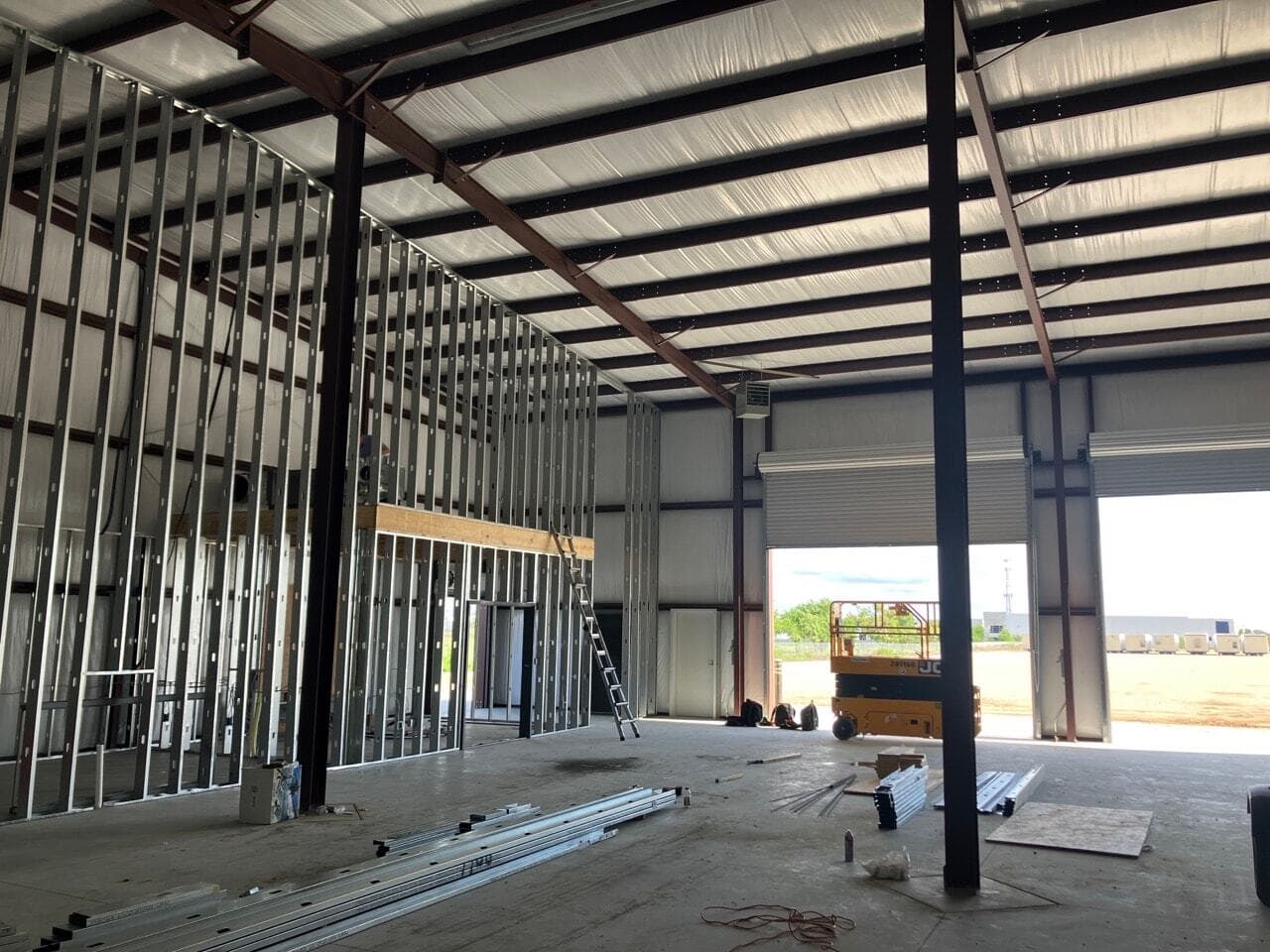
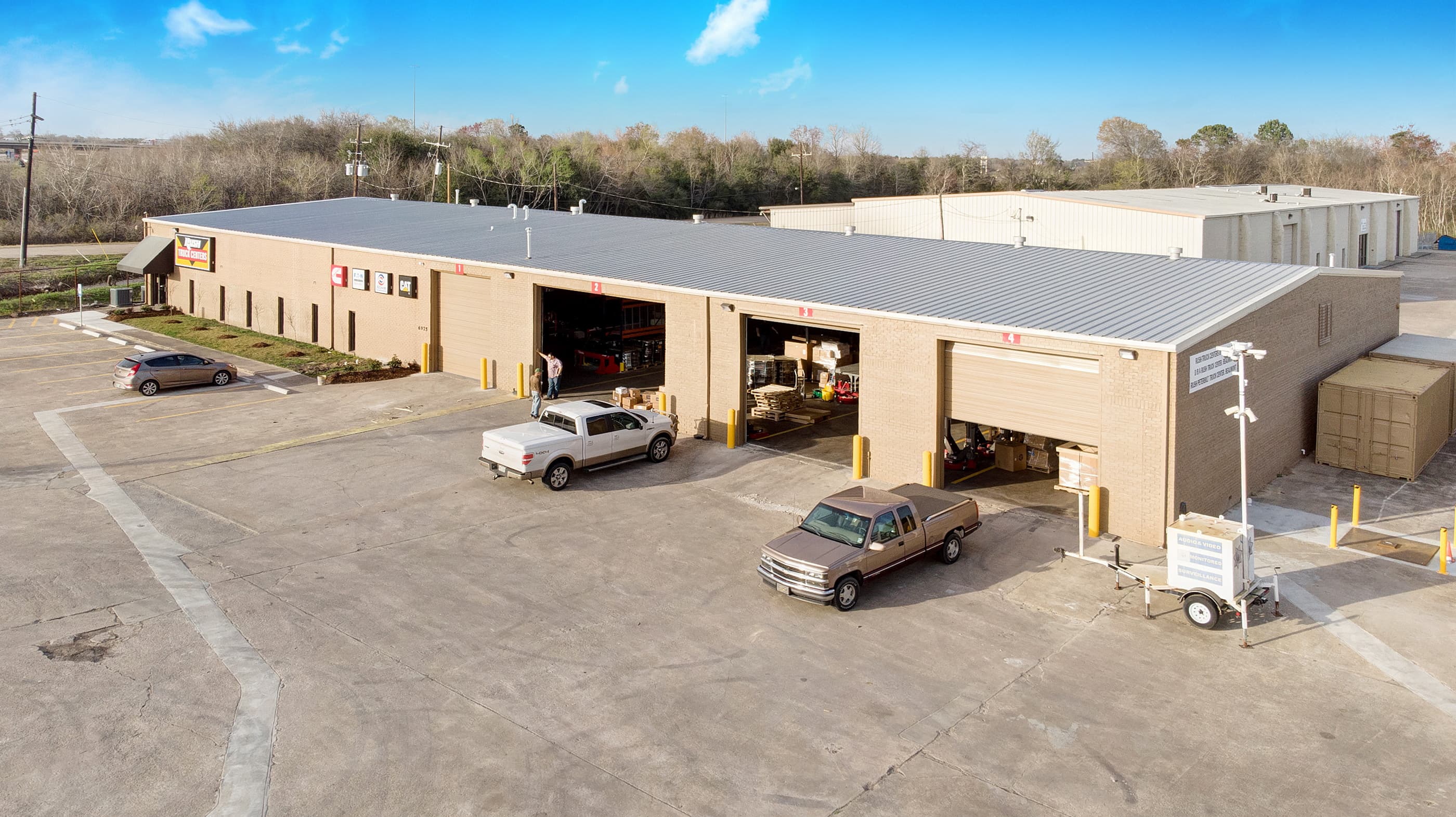
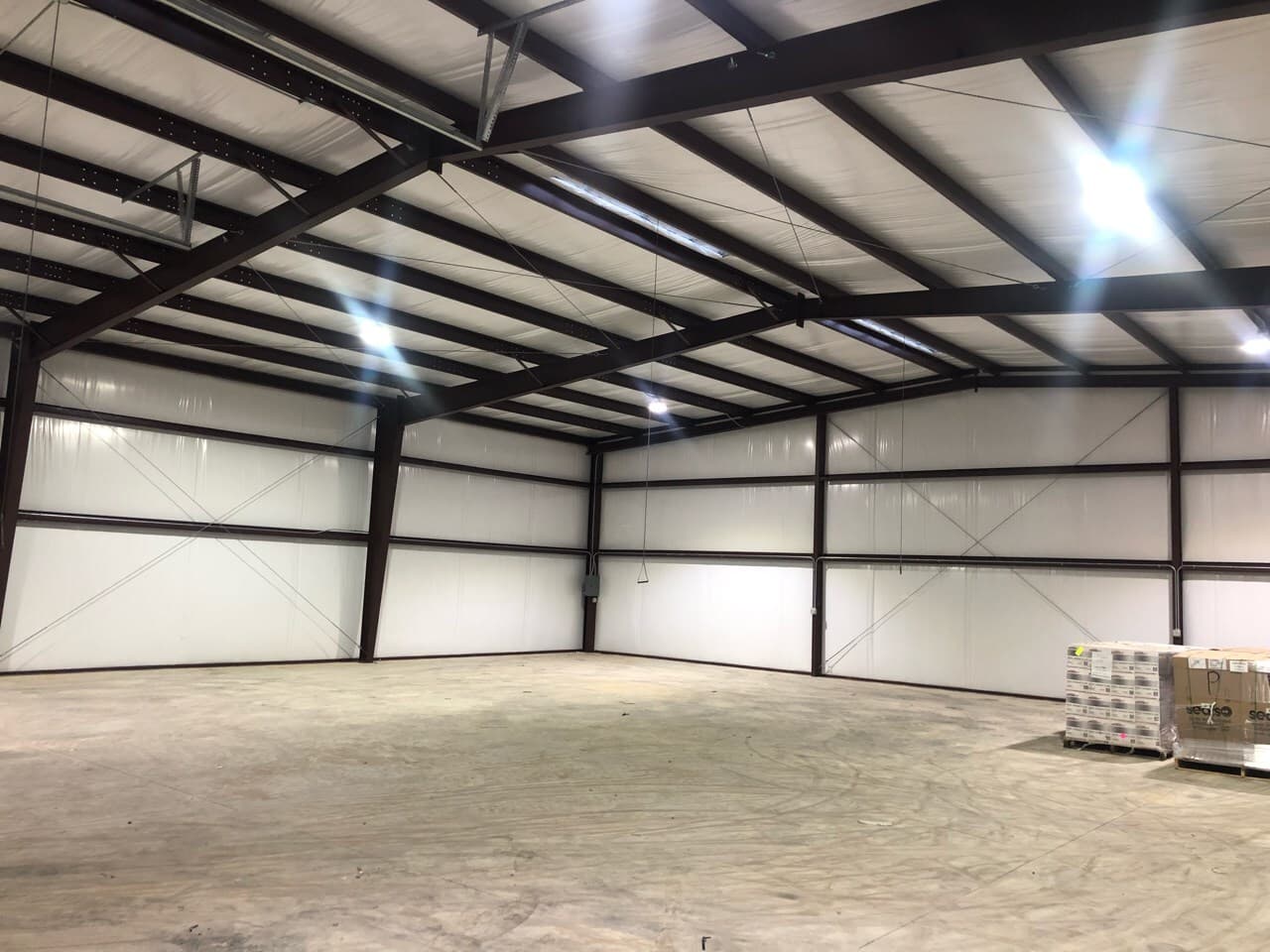
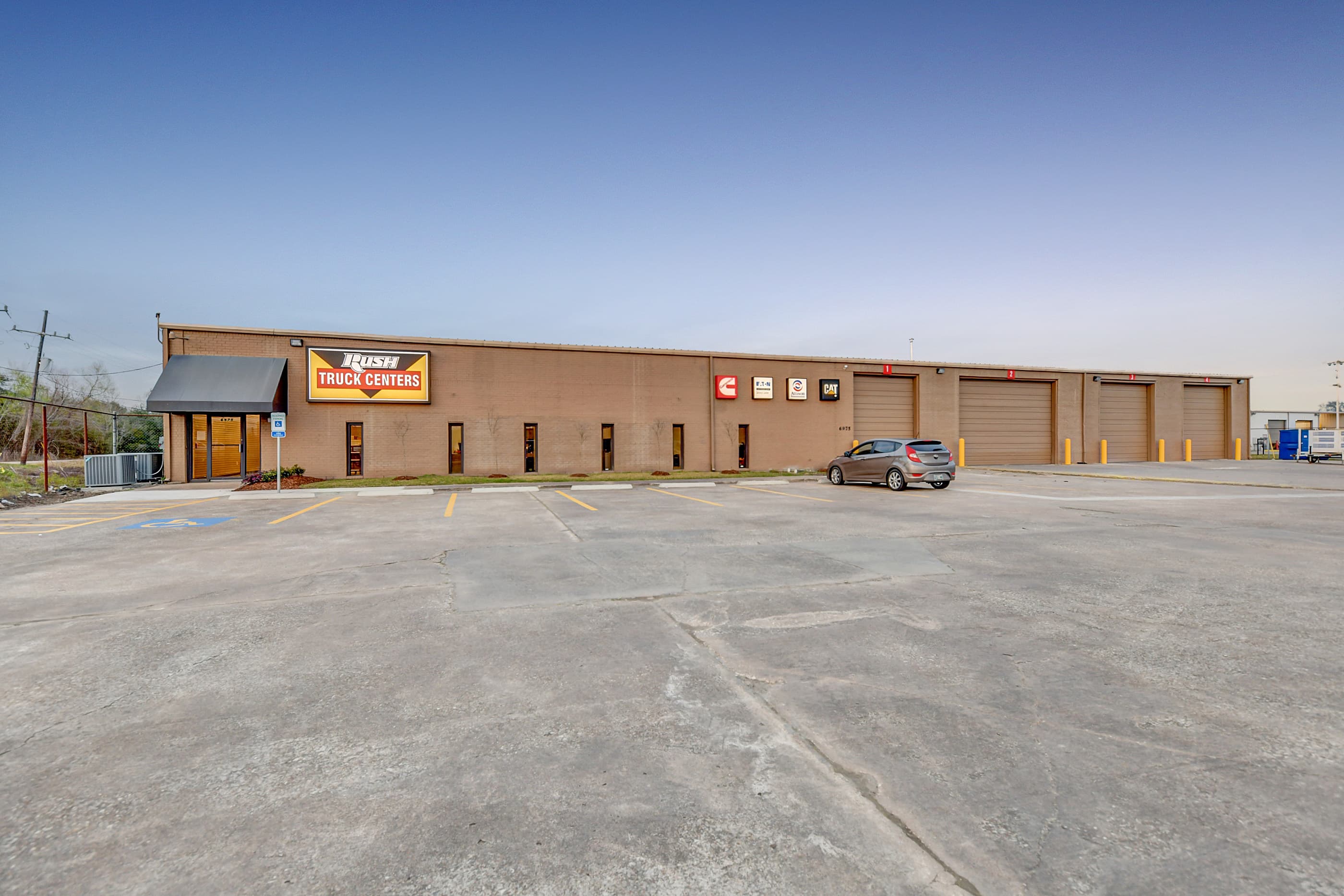
Change orders concentrate in renovation, where the building keeps its secrets until demolition. SYB's Cummins Clean Fuel manufacturing remodel involved wall demolition and a production expansion carried out around live, sensitive equipment — the scenario where an honest investigation phase and a stated contingency are worth far more than an optimistic lump sum. We work this way throughout East Texas.
Get a Contract Built to Prevent Change Orders
The best time to control change orders is before the contract is signed. SYB Builders provides detailed, line-item proposals with allowances, unit prices, and markup terms spelled out in writing — so the number you sign is the number you build for. Request a free estimate for your commercial project, or call (903) 560-8330 to talk through your plans with a contractor who has been holding budgets together across East Texas and DFW for more than four decades.