A commercial construction budget should carry a contingency of 5-10% of hard costs for new ground-up construction and 10-20% for renovation and remodel work, where hidden conditions inside existing buildings drive more surprises. In East Texas, where expansive red clay soils can add $8-15 per square foot to foundation costs, budgets on unfamiliar sites should sit at the top of those ranges until geotechnical results come back. Contingency is not padding — it is the difference between a project that absorbs a surprise and a project that stalls while the owner scrambles for money.
What Contingency Percentage Do Commercial Projects Actually Need?
The right number depends on project type and how much is known when the budget is set:
- New ground-up construction, complete drawings, geotech in hand: 5-7% of hard costs.
- New ground-up construction, early design or unknown site: 8-10%.
- Tenant finish-out in a newer shell building: 5-10%.
- Renovation or remodel of an older building: 10-20%. Behind existing walls you will find undocumented wiring, deteriorated plumbing, hidden structural conditions, and code items that must be brought current once you open things up.
- Historic or heavily modified buildings: 15-20% minimum.
On a $3 million ground-up project, that means carrying $150,000 to $300,000. On a $600,000 remodel, carry $60,000 to $120,000. If those numbers feel painful, remember the alternative: a mid-project funding gap where work stops, subcontractors demobilize, and restart costs stack on top of the original problem.
What Is the Difference Between Owner, Contractor, and Design Contingency?
"Contingency" is actually three different pools of money held by three different parties, and confusing them causes real budget mistakes:
Owner Contingency
Money the owner holds outside the construction contract, typically 5-10% of hard costs. It funds owner-driven scope changes, unforeseen conditions, and anything else that becomes a change order. The contractor cannot touch it without a signed change order — it is the owner's shock absorber, controlled by the owner.
Contractor Contingency
A line inside the contractor's price — most visible in a Guaranteed Maximum Price (GMP) contract, where it typically runs 2-5% of the contract value. It covers the contractor's own risks: estimating gaps, subcontractor buyout misses, minor rework. It does not cover owner changes or unforeseen site conditions; those remain change orders against the owner contingency. In a GMP contract, negotiate audit rights over this line and agree in writing on where unspent contractor contingency goes at closeout — shared savings splits of 50/50 to 75/25 in the owner's favor are common.
Design Contingency
A budgeting allowance carried during early design — typically 10-15% at concept stage, stepping down to 5% as drawings approach 100% — to cover the scope that always gets added as documents develop. It exists because a concept-level estimate cannot see every detail the final drawings will contain. As the design finishes, design contingency shrinks and should reach zero at final documents, replaced by the owner and contractor contingencies above.
What Actually Draws Down a Contingency Fund?
Four categories consume most contingency dollars on Texas commercial projects:
- Soil and subsurface surprises. Expansive clay requiring piers, unexpected rock, unsuitable fill, groundwater. These are the largest single draws on East Texas projects.
- Utility conflicts. An unmarked line in the path of your building pad, a sanitary tap deeper than the plans assumed, or an electrical service upgrade the utility did not flag until late. Individual conflicts commonly run $10,000-$75,000.
- Material and pricing escalation. Steel, copper, switchgear, and roofing have all seen year-over-year swings of 5-15% in recent cycles. If your project runs longer than your suppliers will hold pricing, escalation lands on contingency.
- Code interpretations. A plan reviewer or inspector reading the IBC or local amendments differently than your design team did — added fire-rating, an extra accessible fixture, revised exiting. Usually smaller dollars, but non-negotiable.
Notice what is not on the list: scope upgrades. Deciding mid-project that you want nicer flooring or a bigger patio is a budget decision, not a contingency event. Owners who treat contingency as an upgrade fund in month two routinely find themselves without a shock absorber when the real surprise arrives in month six. Keep discretionary changes in a separate wish-list budget and let contingency do its one job.
Every one of these events arrives on your desk as a change order, which is why contingency and change order management are two halves of the same discipline — our guide to what change orders are and how to avoid them covers the pricing and approval side in detail.
What Do Lenders Require for Construction Contingency?
If your project is bank-financed, contingency is not optional. Banks typically require a 5-10% hard-cost contingency as a dedicated line in the loan budget before they will close, and some also require a soft-cost contingency of 3-5%. Three lender mechanics matter to owners:
- Contingency draws require approval. You cannot spend the contingency line freely — draws against it typically require documentation of the change and sign-off from the bank's inspecting architect or engineer.
- The loan stays "in balance." If change orders burn contingency faster than the project progresses, the lender can declare the loan out of balance and require the owner to deposit additional equity before funding further draws. This is the mechanism that turns an underfunded contingency into a stalled project.
- Interest reserve interacts with schedule. Delays consume the interest reserve as well as contingency, so a change that adds four weeks costs money in two budget lines at once.
Structuring the budget so it survives underwriting is part of putting a deal together — our guide to financing commercial construction in East Texas walks through the full loan budget, draw process, and what regional banks expect to see.
What East Texas Site Conditions Should Your Contingency Cover?
Contingency percentages are national rules of thumb; the reasons to lean toward the high end are local. Around Canton, Tyler, Athens, Terrell, and Forney, three risks dominate:
- Expansive red clay. Much of East Texas sits on clays with high plasticity that swell and shrink with moisture. Where geotech findings require an engineered slab-with-piers foundation, expect $8-15 per square foot beyond a conventional slab. If you budget before borings, carry that possibility in contingency.
- Rock and variable subgrade. Some sites transition from clay to rock within a single building pad, changing excavation production rates and costs mid-dig. Unit pricing for rock removal, agreed at bid time, keeps these draws fairly priced.
- Rural utility distances. Outside city limits, the nearest adequate water, sewer, or three-phase power can be hundreds or thousands of feet away. Extension costs of $50-$150 per linear foot for utilities add up fast, and capacity answers from rural providers sometimes change between early planning and construction.
Since regional pricing sets the base that your percentage multiplies against, anchor the whole budget with current numbers from our 2026 Texas commercial construction cost guide before you size the contingency line.
When Should Unused Contingency Be Released?
Contingency should not sit locked at full value until the ribbon cutting, and it should not be raided early for scope upgrades. The disciplined pattern releases risk as risk retires:
- Foundation complete: The largest unknown on most East Texas projects — soil — is behind you. Excess contingency held for subsurface risk can be identified.
- Building dried in: Structure, roof, and envelope done; weather and structural risk largely retired.
- Major buyout and long-lead deliveries complete: Escalation risk retired once prices are locked and equipment is on site.
- Substantial completion: Remaining contingency, less a small allowance for punch list and closeout, can be released to the owner or applied to deferred scope like extra paving or upgraded finishes.
A good monthly project report shows contingency as a running log: starting value, each draw with its cause, and remaining balance. If your contractor cannot produce that log on request, contingency is not being managed — it is just being spent.
Does Design-Build Reduce the Contingency You Need?
Generally, yes — by roughly 2-4 percentage points compared to traditional design-bid-build. In design-build, the contractor is involved during design, which means constructability problems, budget misses, and scope gaps get caught on paper instead of surfacing as field changes. Design gaps are a leading driver of contingency draws in design-bid-build, because the builder prices drawings it had no hand in shaping. When SYB Builders provides preconstruction services through our construction project management program, we review drawings for gaps, verify soil assumptions against geotechnical data, and lock long-lead pricing early — which is exactly the work that lets an owner carry 5-7% with confidence instead of 10% with anxiety. A project with 45+ years of regional pricing knowledge behind its estimate simply needs less cushion than a project budgeted from national averages.
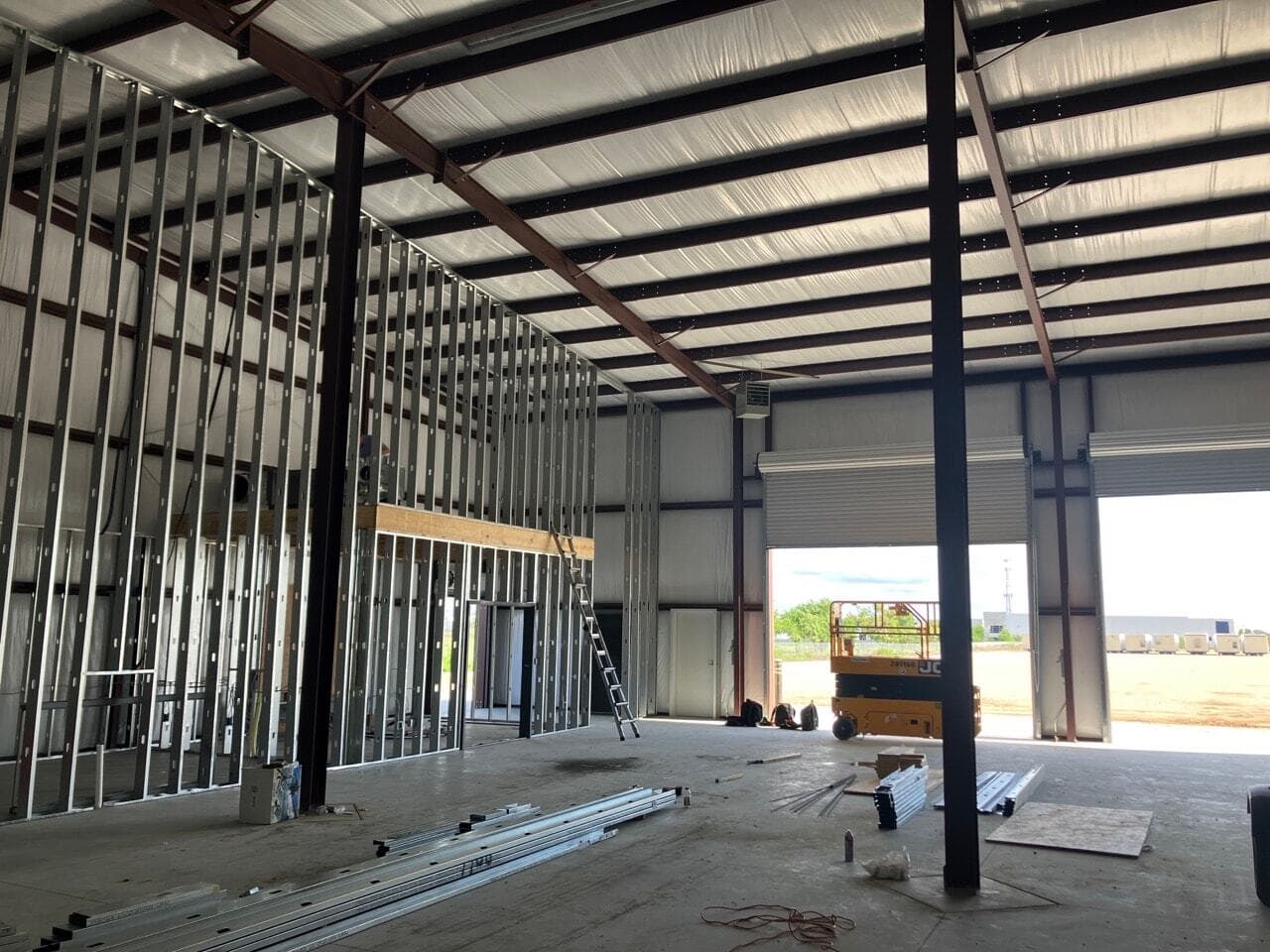
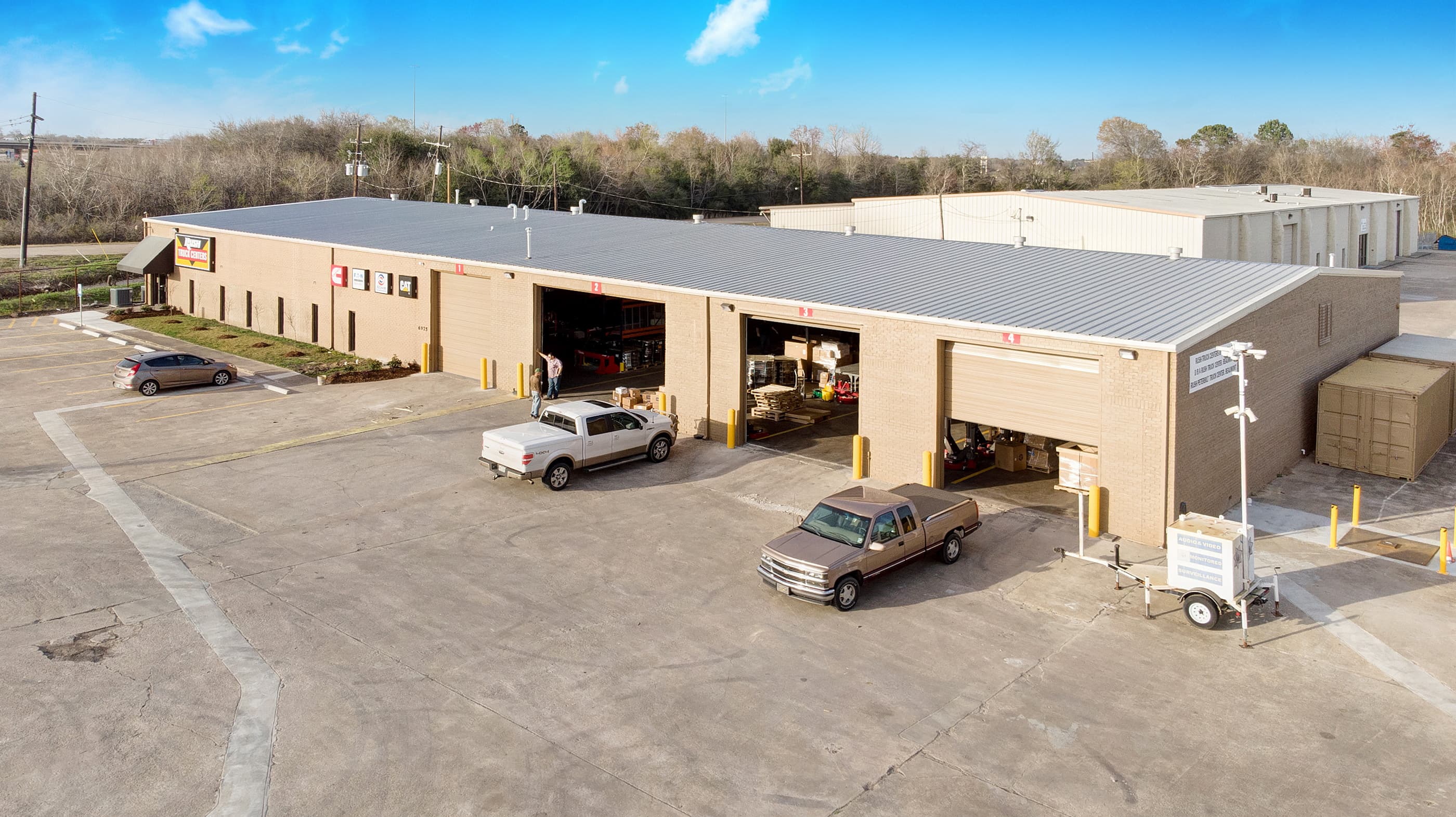
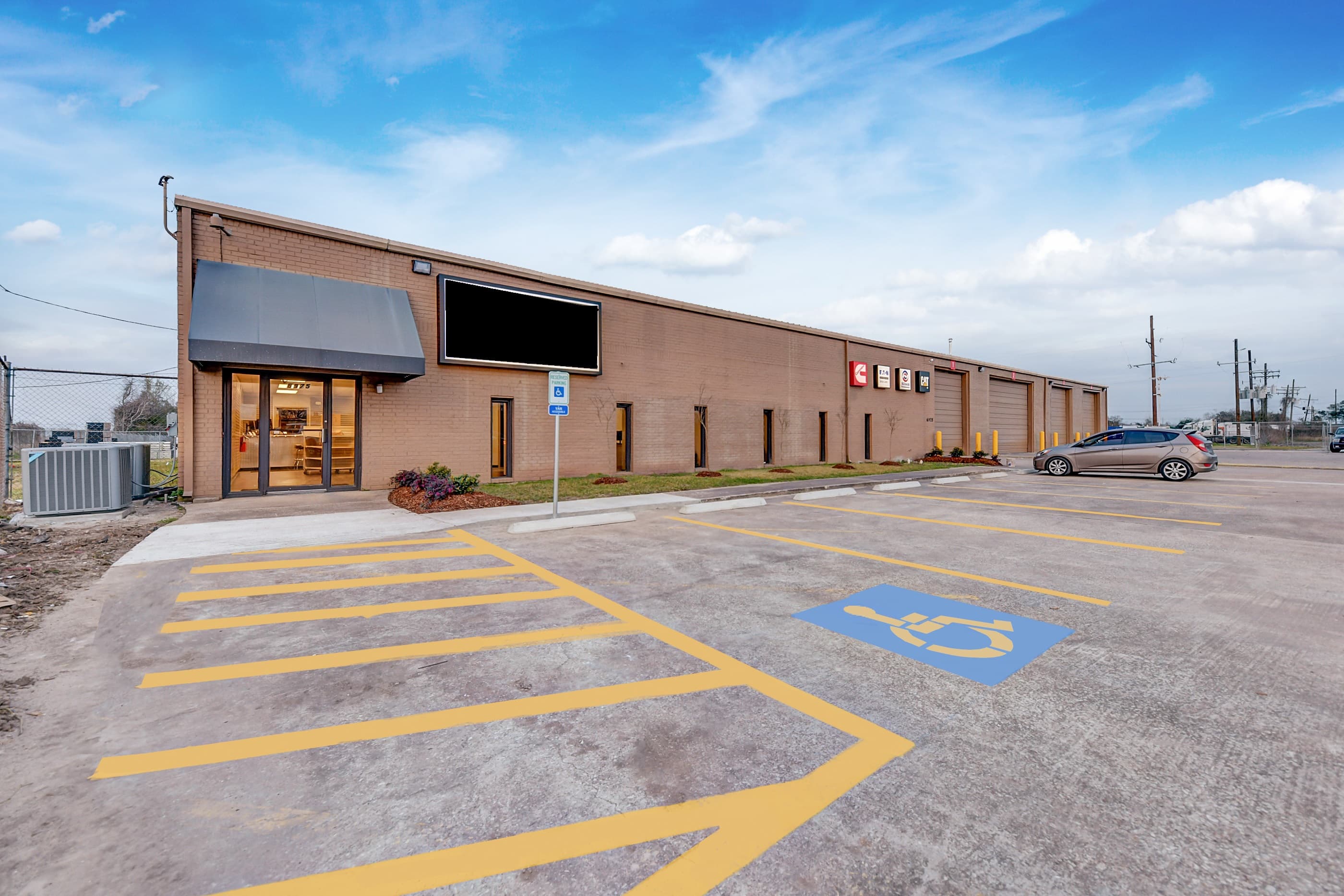
Contingency should track how much of the building you cannot see yet. SYB's Cummins Clean Fuel remodel — wall demolition and a production expansion around live equipment — is the high-uncertainty end of the range, while a ground-up build on a clean site sits at the low end. We price both across East Texas.
Build a Budget That Survives Contact With the Ground
The right contingency is not a guess — it is a number backed by soil data, complete drawings, and a contractor who knows what East Texas sites actually cost. SYB Builders builds line-item budgets with contingency sized to your real risk profile, and we track every draw in writing so you always know where you stand. Request a free estimate for your project, or call (903) 560-8330 and we will help you pressure-test the budget you have before you take it to a lender.