Opening a laundromat costs $300,000 to $1 million or more all-in. The construction build-out runs $100 - $200 per square foot — a 3,000 square foot store lands at $300,000 - $600,000 — and the washer and dryer package adds another $150,000 - $450,000 on top. Unlike most retail, the cost driver is not finishes: it is plumbing, electrical service, and utility capacity fees. Plan on 3 to 6 months of construction once permits are issued.
How Much Does It Cost to Open a Laundromat in 2026?
A typical Texas laundromat is 2,000 - 4,000 square feet with 30 - 60 machines. Here is the full opening budget for a 3,000 square foot store in an East Texas market like Tyler or Athens:
- Build-out construction: $300,000 - $600,000 at $100 - $200 per square foot, covering plumbing, electrical, HVAC, bulkheads, flooring, and finishes.
- Equipment: $150,000 - $450,000 depending on machine count and whether you buy standard or large-capacity commercial units.
- Utility impact and tap fees: $10,000 - $80,000 — highly city-dependent, and the most commonly forgotten line item.
- Soft costs: $25,000 - $75,000 for design, permits, signage, security, payment systems, and working capital.
East Texas landlords and land prices make the math friendlier than DFW: second-generation retail space leases at a fraction of metro rates, and construction labor runs 20 - 35% cheaper. If you are weighing a lease against buying or building your own box, our comparison of building versus leasing commercial space runs those numbers side by side.
Why Is Laundromat Plumbing So Expensive?
Plumbing is routinely 30 - 40% of a laundromat build-out, and it is where inexperienced contractors sink projects. A 40-machine store demands infrastructure most retail shells simply do not have:
- Water service: A 2-inch domestic water line at minimum — many stores need larger. Forty commercial washers can draw 2,000 - 4,000+ gallons per hour at peak, and an undersized service means machines starving mid-cycle on Saturday morning.
- Trench drains and floor drains: Washers discharge on high-volume pumps, so codes require generous drainage — typically a trench drain system behind the washer line connecting to a 4-6 inch sanitary line. Saw-cutting an existing slab to install trenches, supply, and gas runs $40,000 - $100,000 by itself in a second-generation space.
- Water heating: A commercial boiler or high-recovery water heater system at $15,000 - $40,000 installed, plus gas piping sized for it and for 20 - 30 gas dryers.
- Backflow prevention: Required by Texas plumbing code on commercial laundry connections, with annual testing thereafter.
This is also why site selection matters more than rent: a space that once housed a restaurant or salon already has meaningful plumbing capacity, while a former clothing store has almost none. Our guide to commercial build-outs in leased spaces covers how to evaluate a shell before you sign.
What Electrical Service Does a Laundromat Need?
Most retail shells carry 200-amp service. A laundromat needs 400 - 600 amps, sometimes more for large stores running big electric-heat dryers. Budget $30,000 - $80,000 for the electrical scope: a new service entrance and panelboard, dedicated circuits to every machine position, 208V/3-phase distribution for large-capacity washers, exterior lighting, and camera and payment system infrastructure. If the utility has to upgrade its transformer to feed you, add 4 - 12 weeks of lead time — order the service upgrade the week permits are filed, not after drywall.
What Do Commercial Washers and Dryers Cost?
The equipment package is the second-largest check you will write:
- Washers: $6,000 - $15,000 each for 20 - 40 lb commercial units; $15,000 - $30,000 for 60 - 100 lb giants. A 40-machine floor mixes sizes, and the large-capacity machines earn the highest revenue per square foot.
- Dryers: $6,000 - $12,000 per stacked pocket pair, usually gas-fired.
- Payment systems: $15,000 - $40,000 for card/app systems, which now outperform coin in most new stores.
Total: $150,000 - $450,000. Equipment distributors often finance this portion, which is why many owners fund construction and equipment separately. One construction note that pays for itself: mount washers on properly engineered concrete plinths or a reinforced slab section. High-spin commercial washers exert serious dynamic loads, and on East Texas expansive clay a slab that flexes will walk your machines out of level — part of why engineered slab-with-piers foundations, at $8 - $15 per square foot, are standard practice here on ground-up buildings.
How Much Are Water and Sewer Impact Fees?
Because a laundromat can use 1,500 - 3,000+ gallons of water per machine per month, cities treat it as a high-demand connection and charge accordingly. Expect meter upsize charges of $3,000 - $20,000 and sewer capacity or impact fees of $5,000 - $60,000 depending on the municipality — small East Texas cities sit at the low end, fast-growth DFW suburbs at the high end. Some utilities calculate fees per LUE (living unit equivalent), and a 40-washer store can score at 10 - 20 LUEs. Dryer exhaust is the other utility surprise: every gas dryer needs code-compliant venting with makeup air, and long duct runs through an existing roof structure add $10,000 - $30,000. Getting the water, sewer, and gas questions answered before lease signing is exactly why we walk sites with owners — and why our underground utilities crews handle new taps, line upsizing, and trenching in-house when the site needs it.
How Long Does a Laundromat Build-Out Take?
From signed lease to open doors, a realistic schedule is 5 - 9 months, with construction itself at 3 - 6 months:
- Design and engineering: 3 - 6 weeks. MEP (mechanical, electrical, plumbing) drawings are the heart of a laundromat permit set.
- Permitting: 3 - 8 weeks in East Texas cities; longer in DFW. TDLR accessibility review applies to any project over $50,000 — folding counters, machine aisles at 36+ inches, and an accessible restroom are all TAS checkpoints.
- Construction: 10 - 20 weeks. Slab cutting and underground plumbing come first, then electrical service, then equipment setting and utility connections.
- Commissioning: 1 - 2 weeks to balance machines, test payment systems, and pass final inspections.
The critical path is almost always the electrical service upgrade and the plumbing rough-in — front-load both. SYB Builders runs this scope through our tenant improvement division with self-performed concrete and utility work, which is how we keep saw-cut-to-open timelines tight.
Should You Build Out a Second-Generation Space or Build New?
Most first-time laundromat owners lease and convert, but the right answer depends on what the shell gives you. A second-generation space that previously held a laundromat is the jackpot: existing trench drains, upsized water service, gas distribution, and heavy electrical can cut the build-out to $60 - $120 per square foot — often a $150,000 - $250,000 savings — and impact fees may already be paid on the meter. A former restaurant or salon gets you partway there with real plumbing capacity. A former clothing or phone store gets you almost nothing, and you will pay full freight to saw-cut the slab and bring utilities in from scratch. Ground-up construction is the third path: a purpose-built 3,000 - 4,000 square foot laundromat building costs $130 - $190 per square foot for the shell on top of land, but you control ceiling heights for duct runs, slab thickness under the washers, and utility sizing from day one — no compromises and no landlord. On East Texas land at $2 - $8 per square foot, plenty of operators find that owning the box costs less per month than leasing a compromised one, especially once the engineered slab-with-piers foundation is amortized over a 20-year hold. The evaluation order is always the same: check water service size, sewer line size and capacity fees, gas availability, and electrical service before you compare rents — a $2 per square foot cheaper lease means nothing if the shell costs $200,000 more to convert.
What Revenue Can a Laundromat Generate?
Laundromats are prized for cash flow stability: demand is need-based and recession-resistant. A well-located 3,000 square foot Texas store typically grosses $150,000 - $400,000 per year from self-service, with wash-dry-fold service adding 20 - 40% on top at healthy margins. Operating costs run 65 - 75% of revenue (utilities alone are 15 - 25%), leaving net margins of 20 - 35% for owner-operators. On a $600,000 - $900,000 total investment, that is a realistic 15 - 25% annual return plus a business that runs largely unattended. Machine mix matters: large-capacity washers turn 3 - 5 cycles a day at $6 - $12 per cycle and are consistently the best earners per square foot.
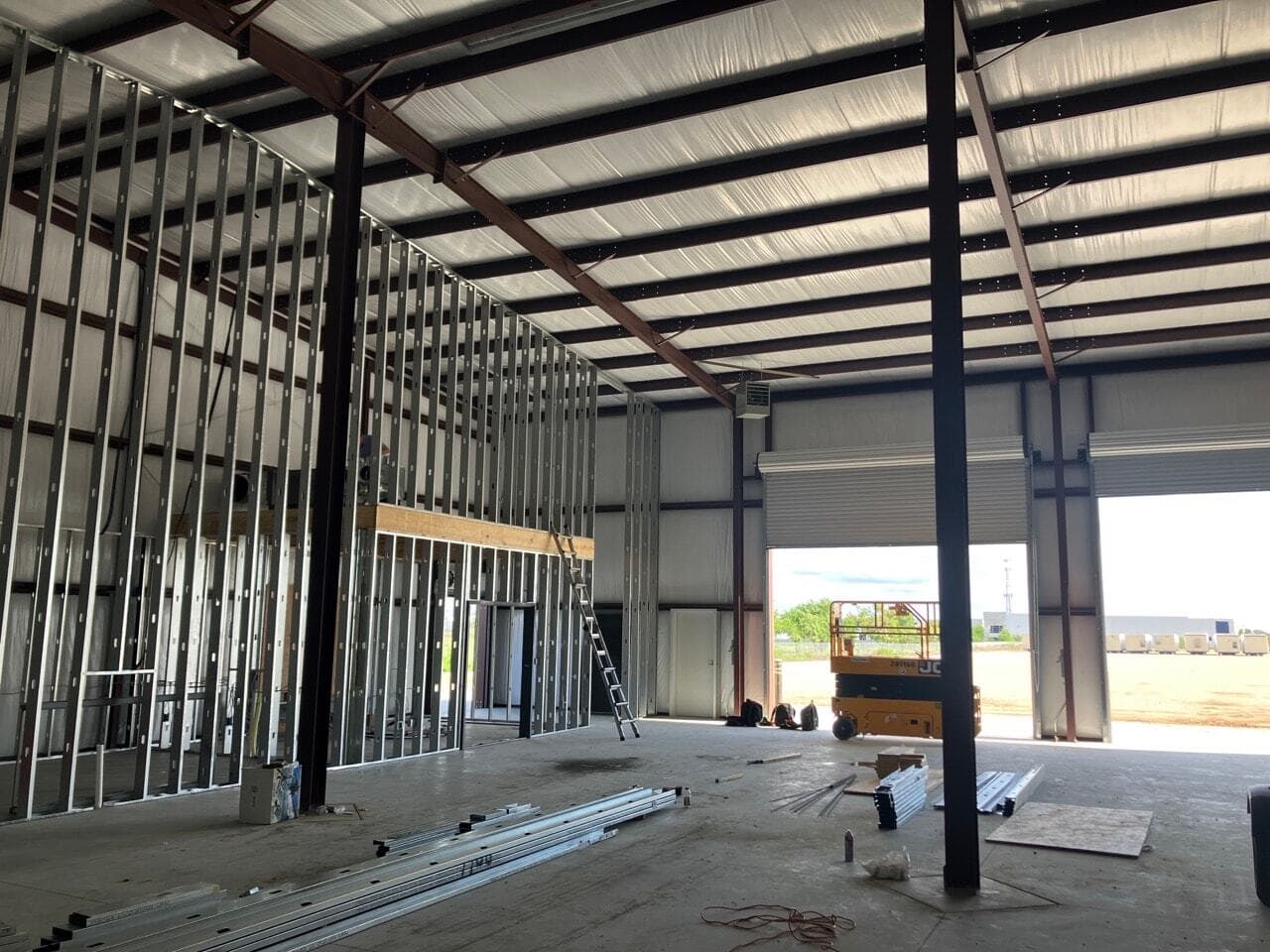
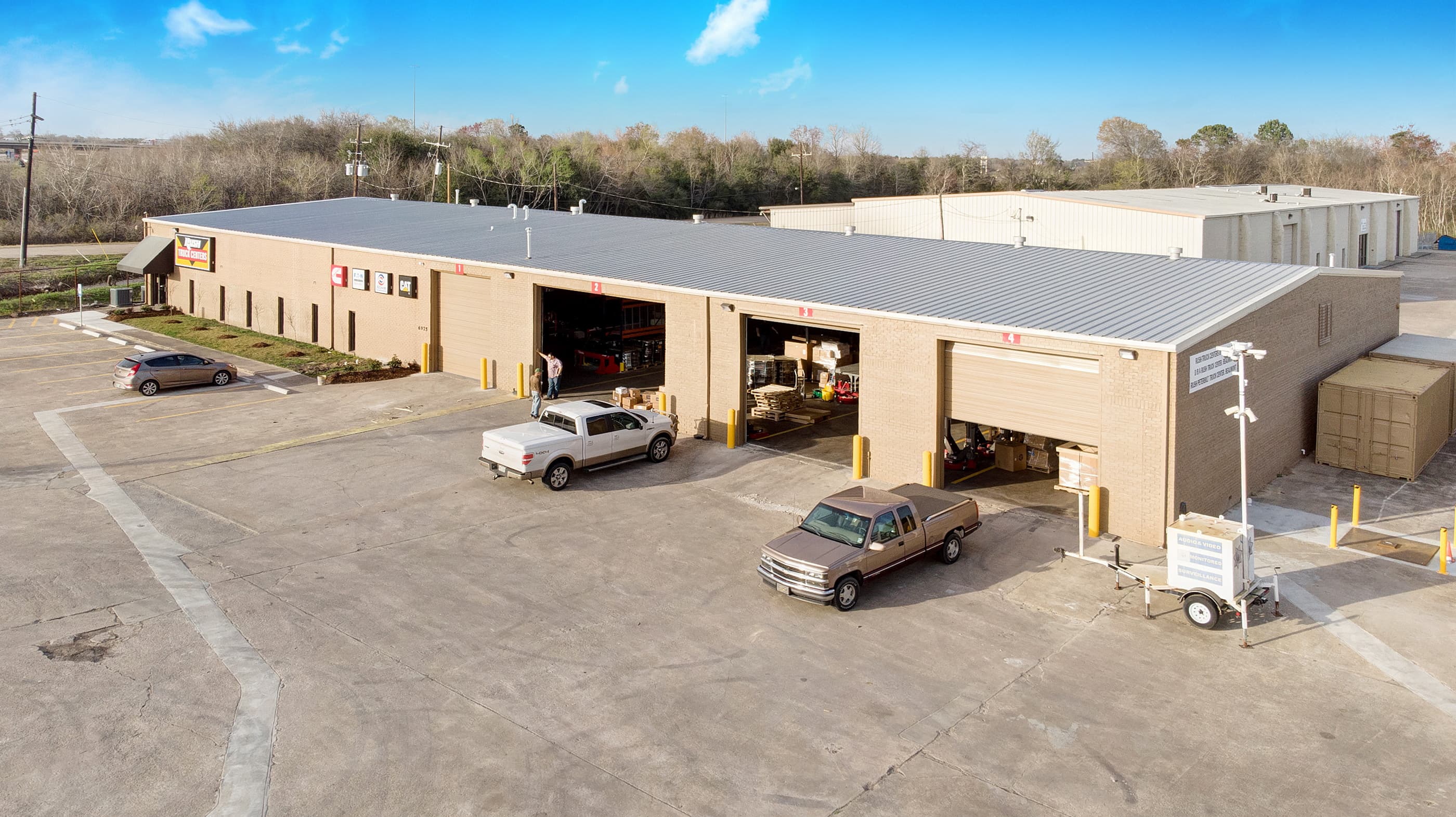
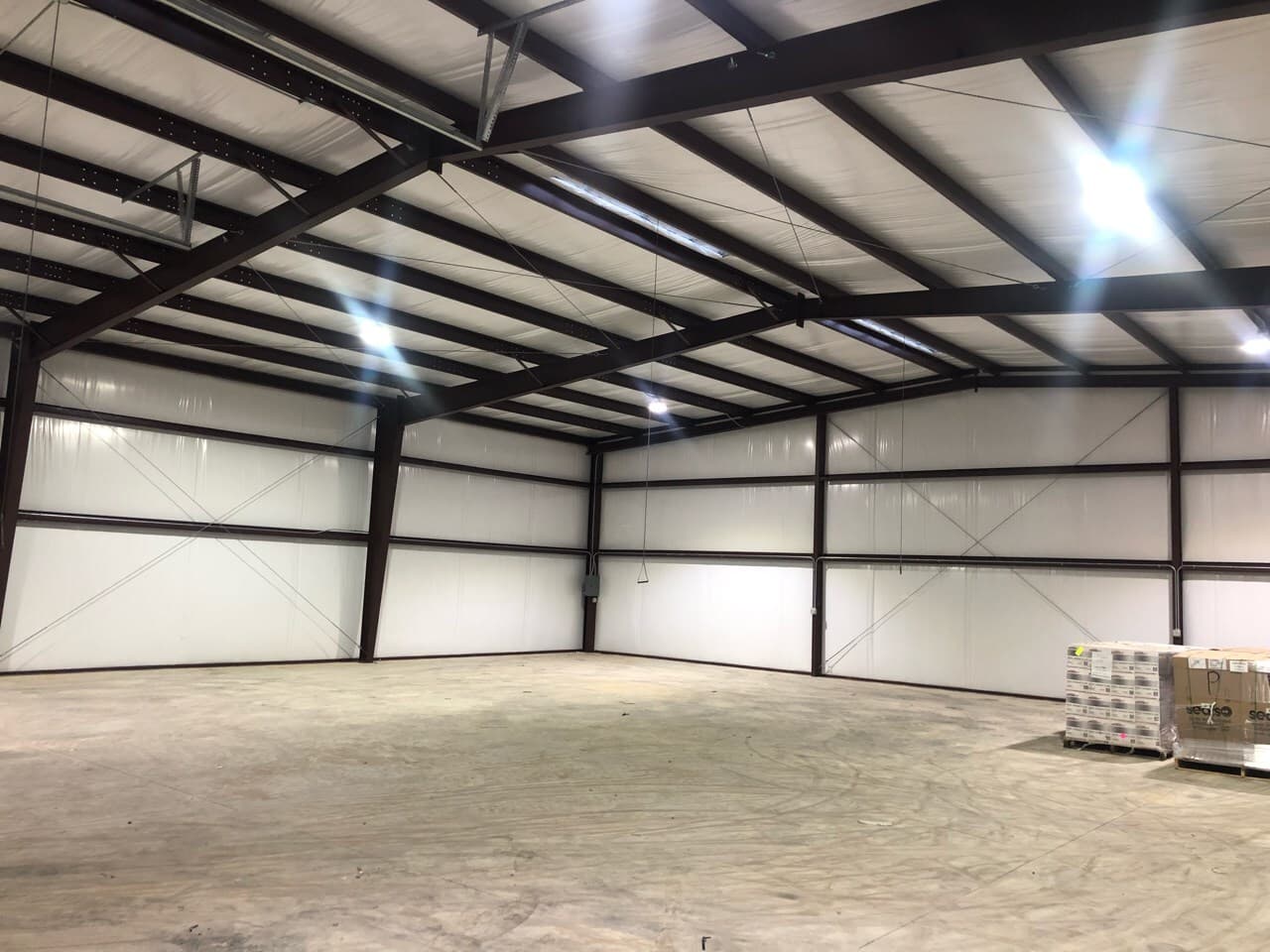
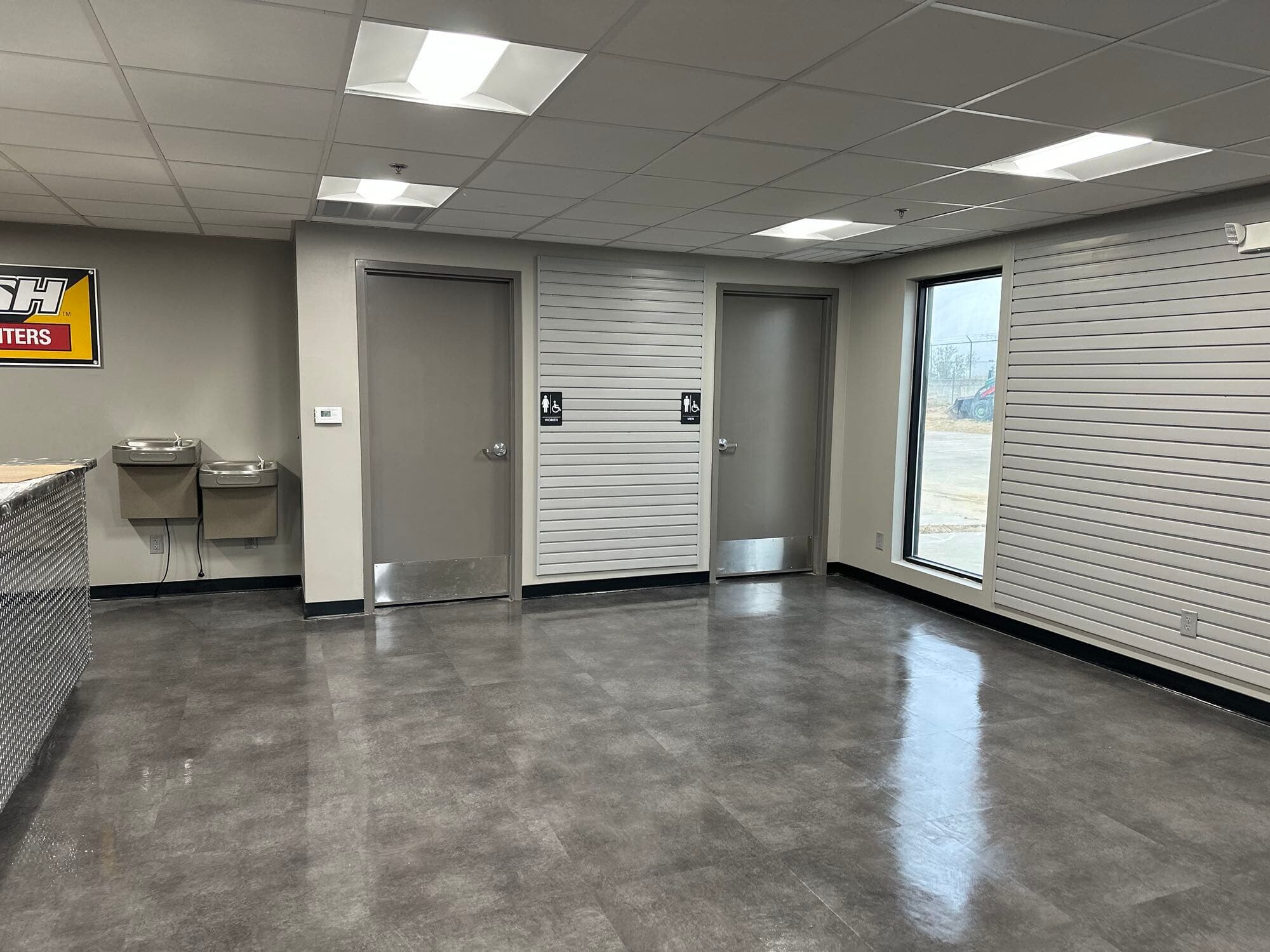
A laundromat is a plumbing and power project with a storefront attached. SYB's Rush Truck Center Laredo West build-out ran plumbing, HVAC, electrical, and sprinkler into an 18,000 sq ft shell at once — the same simultaneous-trade coordination a machine-dense build-out demands. We do this work throughout Tyler and East Texas.
Price Your Laundromat Build-Out with SYB Builders
SYB Builders is a licensed commercial general contractor headquartered in Canton, TX, with 45+ years of experience and crews across East Texas — Tyler, Athens, Terrell, Forney — and the DFW metroplex. We will walk your candidate space, check the water, sewer, gas, and electrical capacity before you sign anything, and hand you a line-item construction budget your lender can underwrite. Request a free estimate or call (903) 560-8330 — the utility questions we answer in one site visit are the difference between a $400,000 build-out and a $600,000 one.