Building a gym in Texas in 2026 costs $110 to $180 per square foot for a ground-up pre-engineered metal building, $60 to $140 per square foot to convert existing warehouse or retail space, and $80 to $150 per square foot for a boutique studio build-out in leased space. A 10,000 square foot ground-up gym therefore lands between $1.1 and $1.8 million, while converting a 10,000 square foot warehouse can come in under $1 million. Timelines run 4 to 8 months depending on the path you choose.
Gyms look simple on paper, big open room, tall ceilings, rubber floor, and that is exactly why so many owners get burned. The three systems that break gym budgets are the slab and flooring under the free weights, the HVAC that has to keep 100 sweating people comfortable in a Texas August, and the locker room plumbing. Get those three priced correctly and the rest of the project behaves.
How Much Does It Cost to Build a Gym Per Square Foot?
Your building path is the biggest cost decision you will make:
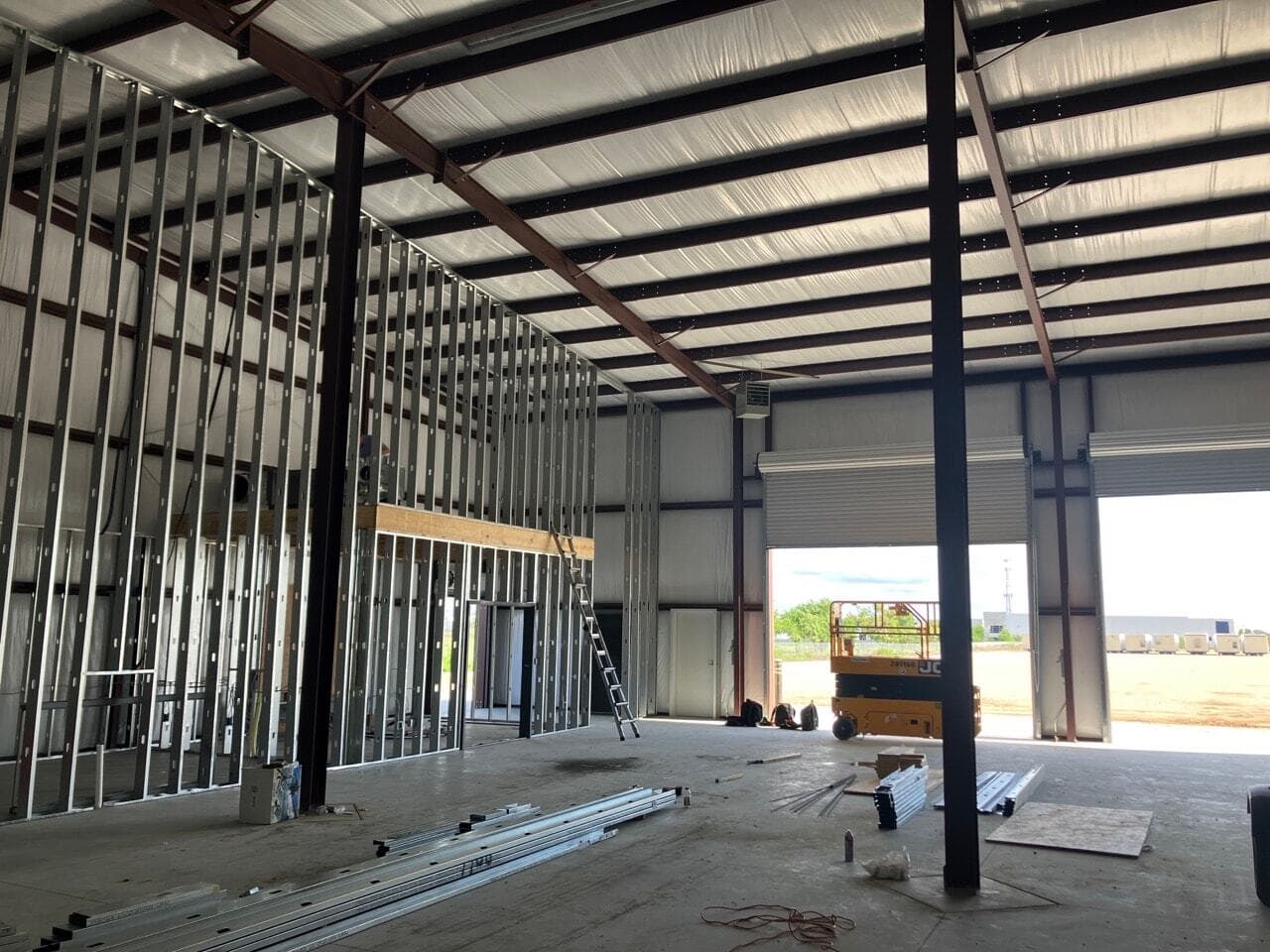
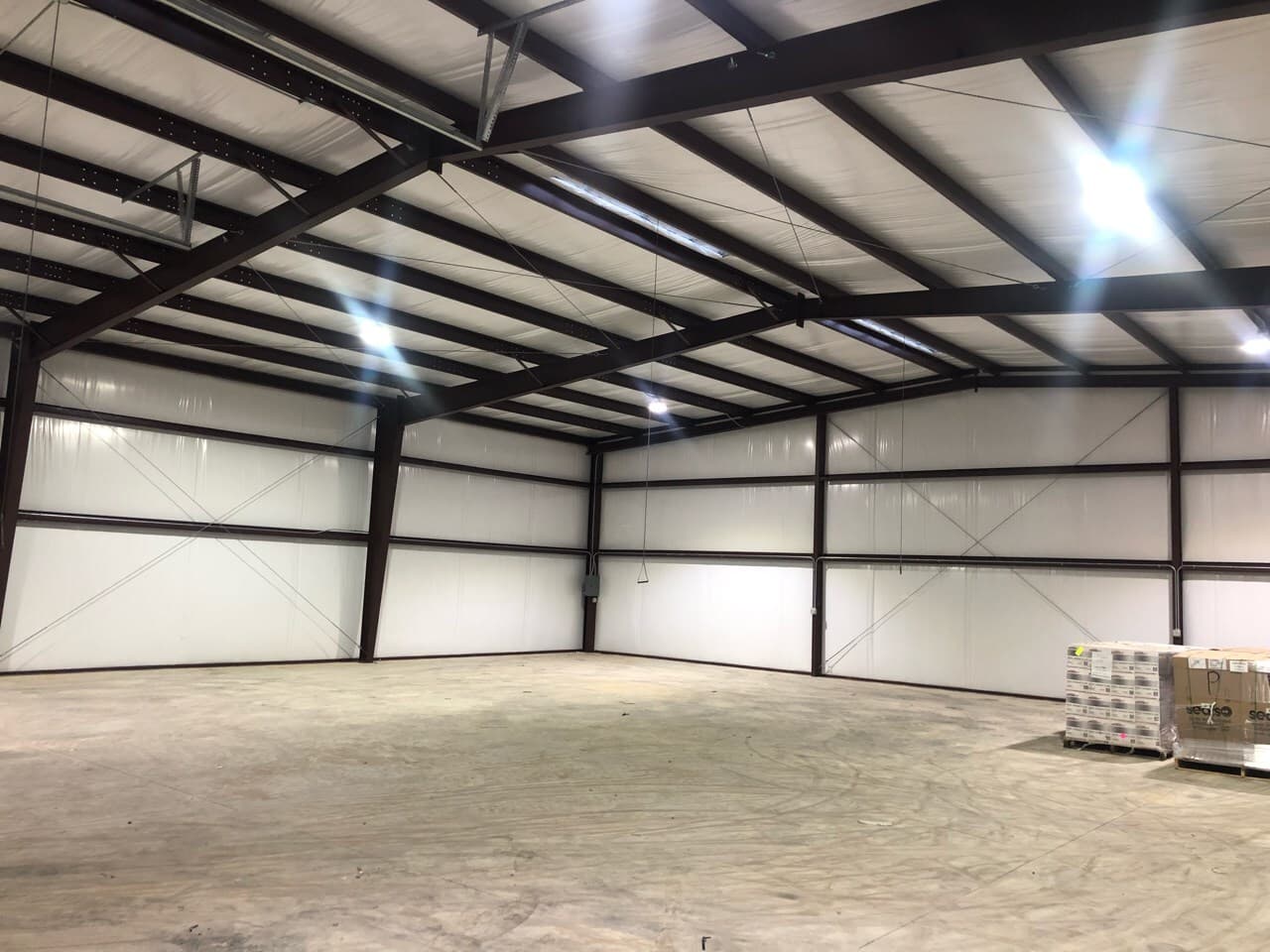
- Ground-up metal building: $110-$180 per square foot. Pre-engineered metal buildings are the default answer for gyms because they deliver 16-24 foot clear heights and long open spans with no columns in the middle of your turf lane, at a fraction of conventional construction cost. That range includes the finished shell, slab, standard interior build-out, and site work on a straightforward pad. East Texas projects price near the bottom of the range, DFW near the top.
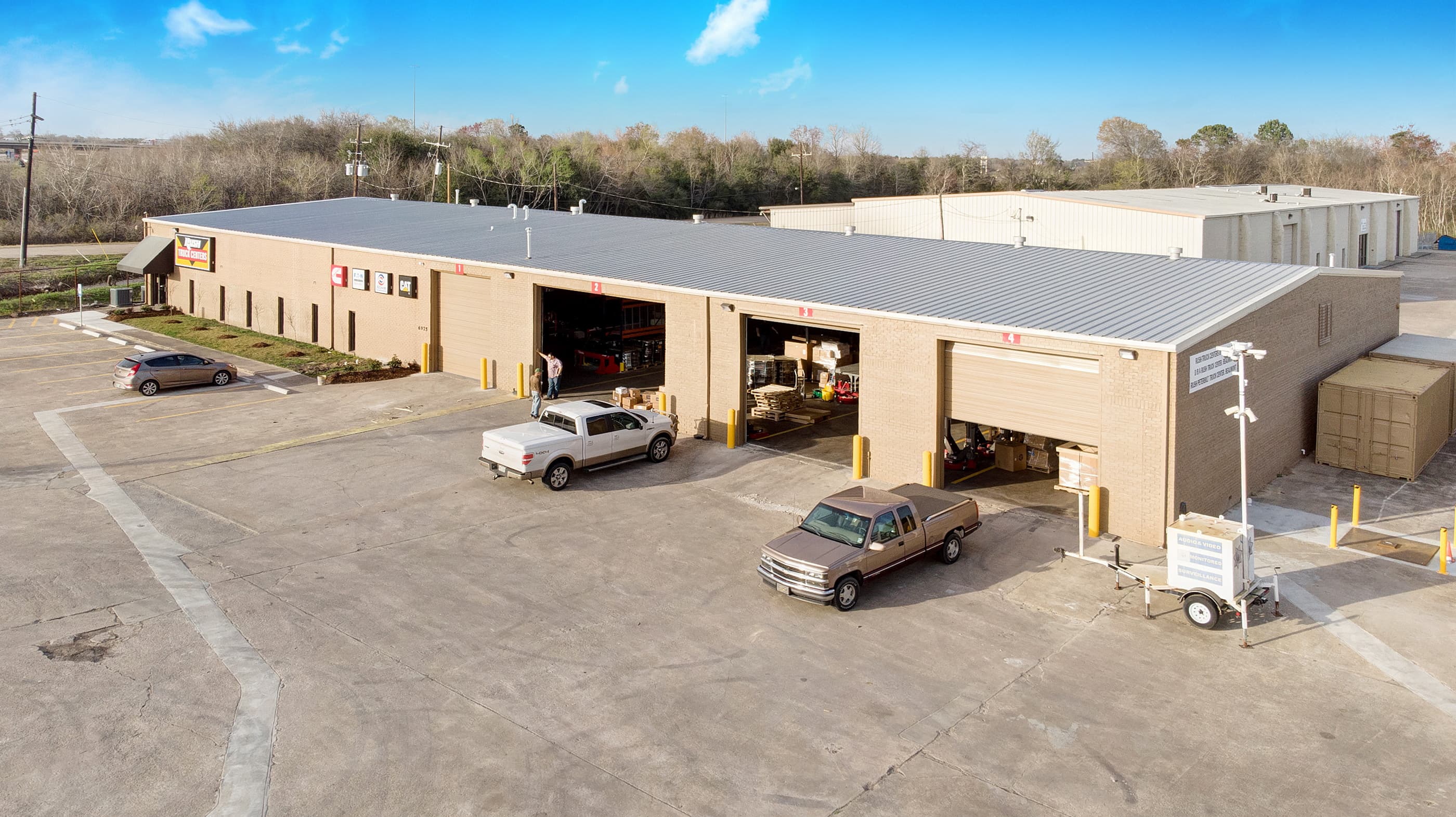
- Warehouse or retail conversion: $60-$140 per square foot. Second-generation industrial space is often the fastest route to opening. The low end covers cosmetic work, flooring, and modest HVAC upgrades; the high end reflects adding locker rooms, demising walls, storefront glass, and fire sprinkler modifications. Our guide to converting warehouse space in East Texas walks through what existing buildings do and do not give you for free.
- Boutique studio build-out: $80-$150 per square foot. A 2,500-4,000 square foot barre, cycling, or CrossFit studio in a retail strip lives in this range, with the number driven mostly by locker room count and HVAC upgrades the landlord's base building never anticipated.
Whether to buy dirt, buy a building, or lease is its own financial question with a longer payback horizon than most operators expect; our build vs. lease analysis covers the math in detail.
What Kind of Slab and Flooring Does a Gym Need?
Free weights punish concrete. A standard 4-inch retail slab will crack and spall under repeated deadlift drops, so ground-up gym slabs should run 5 to 6 inches at 4,000 PSI with reinforcement in the free-weight and platform zones, an upgrade that costs only $1.50-$3.00 per square foot when you pour it that way from the start. In East Texas, expansive red clay soils push most new buildings to engineered slab-with-piers foundations, adding $8-$15 per square foot, and a gym's point loads make that engineering worth taking seriously.
On top of the slab, plan flooring by zone: 8mm rolled rubber at $4-$7 per square foot for general strength areas, 15-20mm tiles or inlaid platforms at $8-$14 per square foot under Olympic lifting zones, and turf at $6-$10 per square foot for sled lanes. A 10,000 square foot facility typically carries $60,000-$100,000 in athletic flooring. In conversions, budget for grinding and moisture-testing the existing slab before anything goes down; skipping that step is how rubber rolls bubble in year one.
How Do You Size HVAC for a Gym in Texas?
HVAC is the most underestimated line in gym budgets, and in Texas it is not optional. A body at work throws off four to five times the heat of a body at a desk, so a gym needs roughly one ton of cooling per 200-350 square feet, versus one ton per 400-500 square feet for ordinary retail. Code ventilation for fitness areas runs about 20 CFM of outdoor air per person, and a group class of 30 in a 1,200 square foot studio will overwhelm any system sized for retail occupancy. High-volume low-speed fans, at $5,000-$9,000 installed each, let metal-building gyms hold setpoints 2-3 degrees higher without member complaints, which matters when summer electric bills arrive.
For a 10,000 square foot gym, expect $12-$20 per square foot for properly sized mechanical systems, roughly $120,000-$200,000, against $80,000 or less for a retail-grade system that will fail your members every July. Our commercial ventilation team designs for occupant density, not just floor area, and our breakdown of HVAC and ventilation for Texas warehouses and service bays explains why big-box air behaves differently than office air.
How Much Do Locker Rooms and Showers Cost to Build?
Locker rooms are the most expensive square footage in the building. Between trench drains, waterproofing, tile, ventilation, and water heater capacity, finished locker rooms with showers run $250-$400 per square foot, and each shower stall carries $8,000-$15,000 in all-in cost once rough plumbing, membrane, tile, glass, and fixtures are counted. Two 400 square foot locker rooms with three showers each typically add $200,000-$320,000 to a project. In slab-on-grade conversions, every drain location means saw-cutting and trenching, so locking the locker room layout early saves real money. A budget-conscious alternative for boutique concepts: restrooms plus two or three individual shower rooms, which delivers the amenity at roughly half the plumbing cost.
What Occupancy Classification Is a Gym? A-3 vs. B and Parking
Under the IBC, a fitness facility is typically classified Group A-3 assembly when workout floors serve 50 or more occupants, while small studios under 50 occupants can often be classified Group B. The distinction matters: A-3 triggers stricter exit requirements, panic hardware, potentially fire sprinklers depending on size and city amendments (budget $3-$7 per square foot if sprinklers are required), and higher plumbing fixture counts. Occupant load for exercise areas is calculated at one person per 50 gross square feet, so a 10,000 square foot gym carries a calculated load around 200 even if you never see that many members at once.
Parking follows occupancy too. Most Texas cities require one space per 100-200 square feet for fitness use, roughly 50-100 spaces for a 10,000 square foot gym, which is double what warehouse zoning provides. Verifying that a conversion site can actually park a gym is a due-diligence item that belongs before the lease signature, not after.
Occupancy classification also sets your restroom fixture counts. An A-3 gym with a 200-person calculated load needs substantially more toilets and lavatories than a B occupancy studio, and in a conversion those fixtures mean new plumbing in a slab that was poured for a warehouse with two restrooms. Budget $15,000-$30,000 per added restroom pair in slab-on-grade conversions. This is the kind of code arithmetic worth running during site selection, because it can quietly swing a conversion budget by six figures between two buildings that look identical from the parking lot.
Should You Add a Mezzanine to Your Gym?
A metal building with 20-plus foot eaves invites a mezzanine, and it is one of the cheapest square footage you can create: structural mezzanine space runs $40-$70 per square foot versus $110-$180 for ground-floor building expansion. Cardio decks, stretching areas, and offices work well upstairs; free weights do not, both for structural loading and for the noise members below will hate. Under the IBC, a mezzanine must generally stay under one-third of the floor area below to avoid counting as a full story, and once it exceeds roughly 2,000 square feet or serves significant occupant load, expect a second exit stair. A 2,000 square foot cardio mezzanine at $50 per square foot adds $100,000 and can carry 25-30 cardio stations, capacity that would cost twice that at grade.
How Long Does It Take to Build a Gym?
Typical 2026 timelines in our markets:
- Boutique studio build-out: 4-5 months, including 6-8 weeks of design and permitting and 10-14 weeks of construction
- Warehouse or retail conversion: 5-7 months, with sprinkler and mechanical modifications usually setting the pace
- Ground-up metal building: 6-8 months, including dirt work, with steel package lead times of 8-14 weeks ordered at permit submittal
The schedule killers are utility service upgrades for HVAC loads and city plan review in fast-growth suburbs, where commercial permits can take 8-12 weeks. Pre-submittal meetings with the building department, which SYB Builders handles as standard practice, routinely save a review cycle.
Build your opening date backward from presale, too. Most successful gym launches run a 60-90 day membership presale out of a trailer or storefront while construction finishes, which means the certificate of occupancy has to land on a date you promised hundreds of founding members. That is an argument for a contractor who publishes a real schedule and hits it, not the lowest bid with a vague finish window.
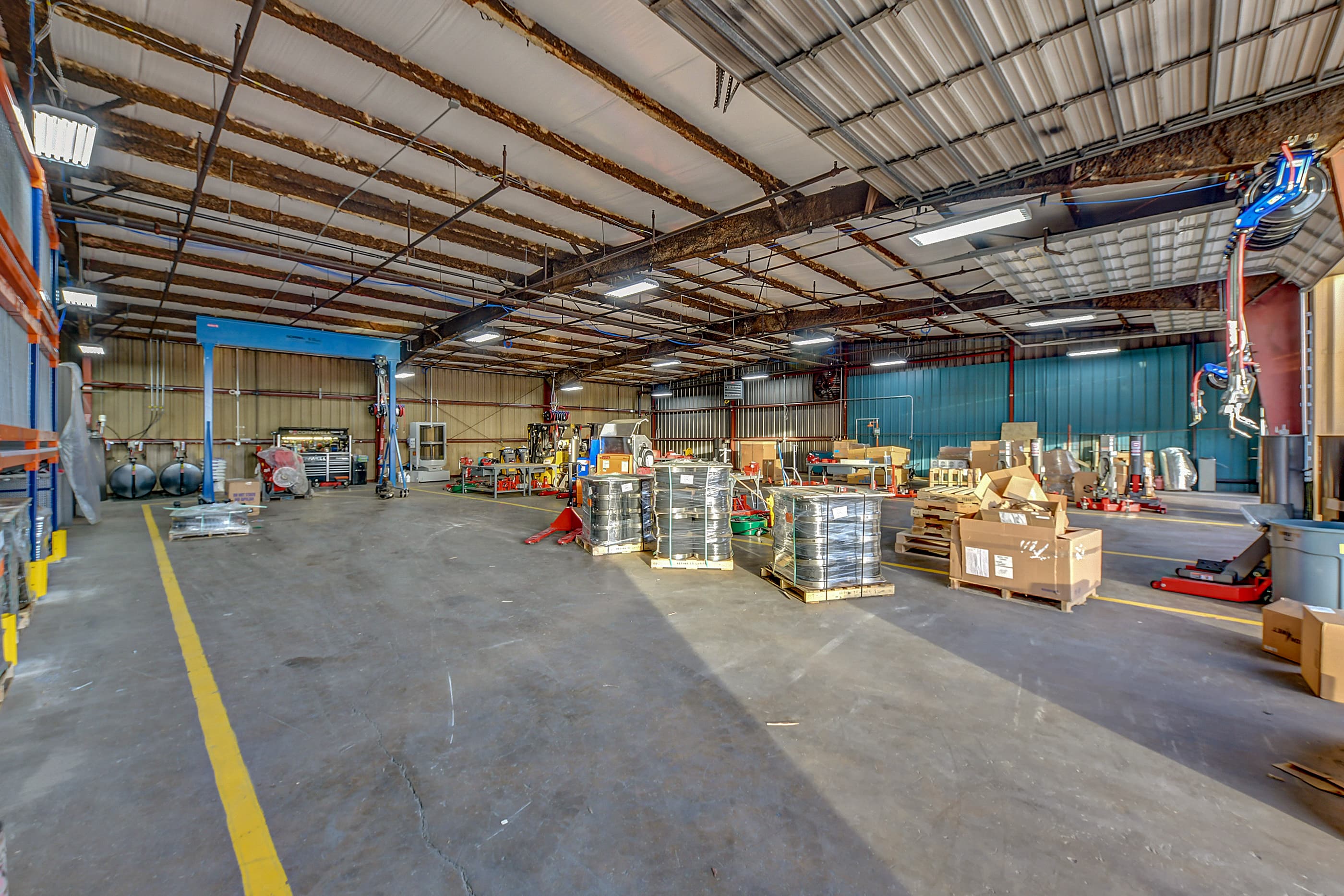
Fitness space wants clear span, height, and simple structure, which is why so many are metal buildings. SYB's Georgetown parts warehouse is that structural type — long uninterrupted spans with no interior columns to work around — and we build the same shells for gyms in Denton and across East Texas.
Get a Free Estimate for Your Gym or Fitness Center
SYB Builders has 45+ years of commercial construction experience across East Texas and the DFW metroplex, and gyms play directly to our strengths: pre-engineered metal buildings, honest HVAC sizing, and slabs built for what actually happens on top of them. Whether you are pricing a ground-up facility in Denton or converting a warehouse bay in Tyler, request a free estimate with your square footage and concept, or call (903) 560-8330. We will give you a real number for the building your members will sweat in, not the one on a franchise brochure.