Building a church in East Texas costs $110 to $180 per square foot for a metal building sanctuary and $180 to $300 per square foot for conventional construction in 2026. A typical first-phase campus — a 400-seat sanctuary with classrooms and fellowship space totaling around 15,000 square feet — lands between $2 million and $3.5 million including site work and parking, and takes 10 to 16 months from design through occupancy. East Texas congregations build for 20-35% less than churches on comparable DFW sites.
What Does a Church Cost Per Square Foot: Metal Building vs. Conventional?
The single biggest budget decision a building committee makes is the structural system:
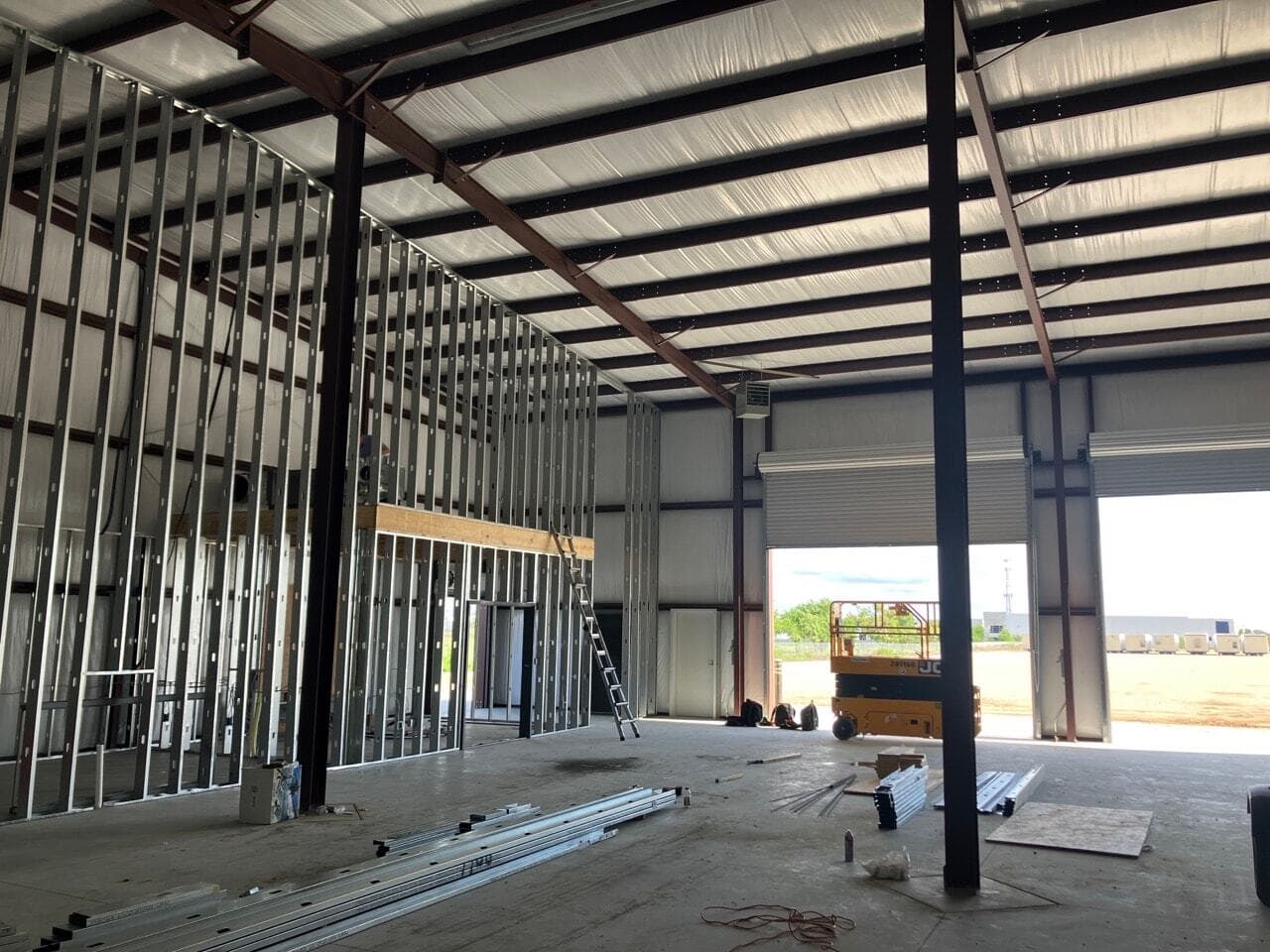
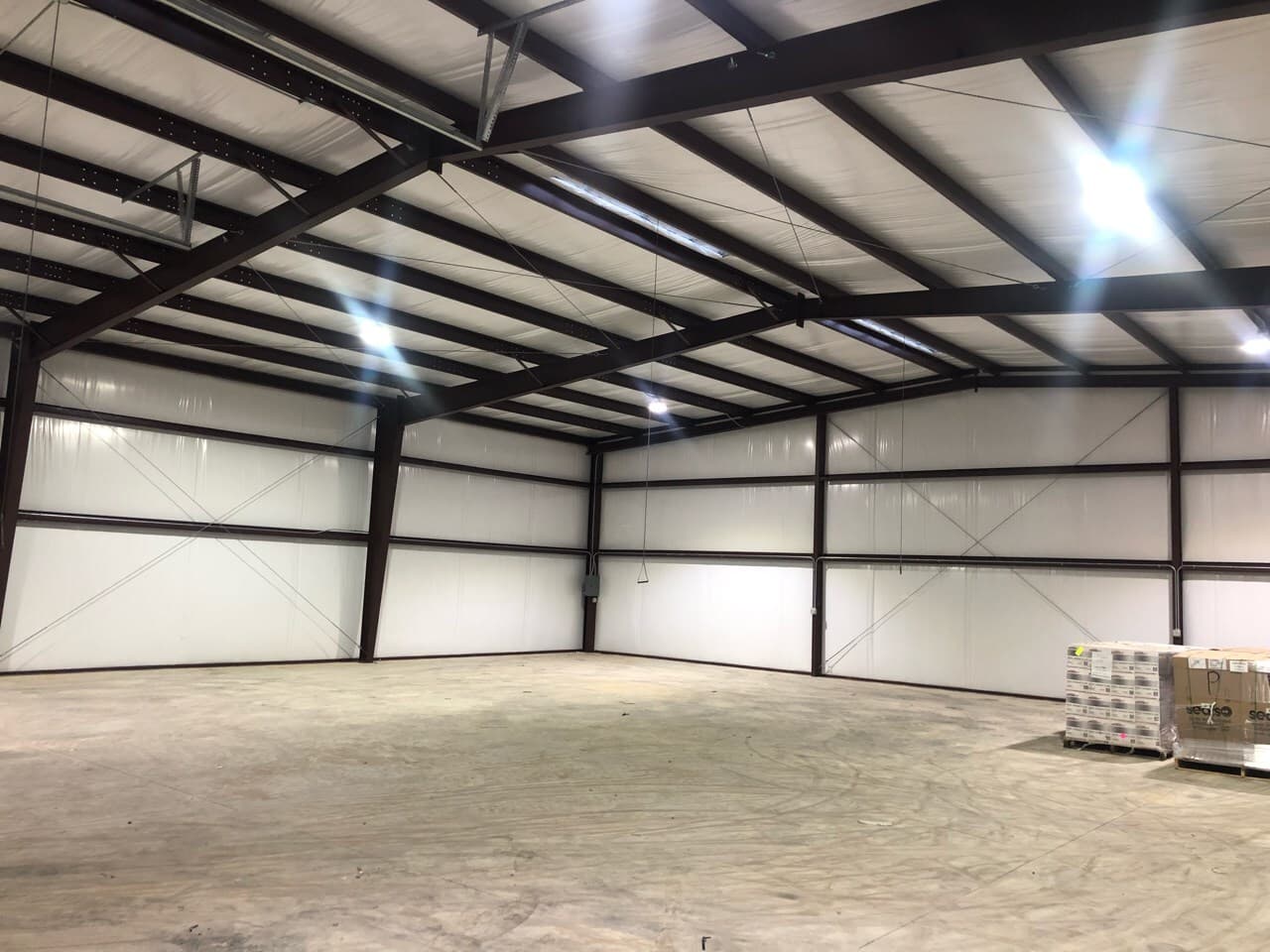
- Pre-engineered metal building sanctuary: $110 - $180 per square foot. Clear-span steel frames handle 60 to 100-foot sanctuary widths without interior columns, and modern insulated wall systems, masonry wainscots, and interior finishes make these buildings read as churches, not warehouses. The majority of new East Texas church construction now uses this approach.
- Conventional construction: $180 - $300 per square foot. Structural steel or load-bearing masonry with brick or stone veneer, pitched architectural roofs, and traditional detailing. The right answer for prominent sites, traditional congregations, and long-horizon buildings — at a 30-40% premium.
On a 15,000 square foot program, that spread is the difference between roughly $2.2M and $3.6M before site costs — often the difference between building now and waiting three more years of capital campaign. We compare the systems head-to-head in our guide to metal building vs. traditional construction. Many congregations split the difference: metal building structure with a conventional masonry front elevation facing the road, which typically adds $15-$30 per square foot to the front facade only.
What Should a First Church Building Include?
The proven East Texas program for a congregation of 250-450 in weekly attendance:
- Sanctuary/worship center: 6,000 - 9,000 square feet. At 15-17 square feet per seat including platform and circulation, 400 seats needs roughly 6,500 square feet.
- Classrooms and children's wing: 3,000 - 5,000 square feet, with check-in security and dedicated restrooms sized to childcare licensing standards if a weekday program is planned.
- Fellowship hall and warming kitchen: 2,500 - 4,000 square feet. A warming kitchen runs $30,000-$60,000; a full commercial kitchen with hood and suppression runs $120,000-$250,000 and is rarely justified in phase one.
- Lobby, offices, restrooms, mechanical: 2,000 - 3,000 square feet. Lobbies have grown — modern plans allocate 2-3 square feet of gathering space per seat.
What Building Codes Apply to Church Construction in Texas?
Churches are Group A-3 assembly occupancies under the International Building Code, and that classification drives the three most commonly underestimated costs in church budgets.
Does a Church Need a Fire Sprinkler System?
Under the IBC as adopted across Texas, an A-3 fire area generally requires automatic sprinklers when it exceeds 12,000 square feet, when the assembly occupant load reaches 300 or more, or when the fire area sits above the level of exit discharge. A 15,000 square foot single-building campus crosses that line; budget $3 to $7 per square foot for sprinklers, plus a water tank and fire pump — commonly $60,000 to $120,000 — on rural sites without adequate municipal water pressure. Some congregations deliberately design phase one as separated fire areas under 12,000 square feet to defer sprinkler cost; that is a legitimate strategy, but it must be engineered with rated fire walls from the start. Our Texas commercial fire code guide covers these thresholds in more detail.
How Many Exits and How Much Parking Does a Church Need?
Occupant load in a sanctuary is calculated at 7 square feet net per person for concentrated seating without fixed pews, or by counting fixed seats — so a 6,500 square foot sanctuary can easily carry a load of 500+, requiring multiple remote exits with panic hardware, illuminated egress, and emergency lighting. Parking follows the familiar assembly ratio of one space per three seats: a 400-seat sanctuary needs roughly 135 spaces, which at 350 square feet per space is about 47,000 square feet of pavement. At $6-$10 per square foot for asphalt or $9-$14 for concrete, church parking is routinely a $300,000-$500,000 line item — frequently the second-largest number in the budget after the building itself. Our breakdown of commercial parking lot construction in East Texas explains where those dollars go. Texas Accessibility Standards (TAS) review applies to any project over $50,000, covering accessible routes, restrooms, and platform access.
What Do Acoustics and AV Cost in a New Church?
Modern worship is a production environment, and the time to plan for it is during structural design, not after drywall. Rough-in for a competent AV system — conduit runs, stage floor boxes, catwalk or truss attachment points, isolated-ground circuits, and a broadcast/streaming closet — costs $15,000 to $40,000 during construction and several times that as a retrofit. Acoustic treatment matters doubly in metal buildings, where hard parallel surfaces create slap echo: budget $2 to $5 per square foot of sanctuary area for absorption panels, banners, or spray-applied treatment. The AV equipment package itself — audio, lighting, video, streaming — typically runs $75,000 to $250,000 for a 400-seat room and is usually purchased outside the construction contract, but the building must be wired for it.
Should Your Church Build in Phases?
For most congregations, yes — and the classic sequence is fellowship-hall-first. Phase one is a multipurpose building of 8,000-12,000 square feet: a flat-floor hall that serves as worship space on Sunday and fellowship, youth, and community space all week, with classrooms and a warming kitchen attached. At metal building pricing, that phase lands in the $1.2M-$2M range — achievable for a congregation of 200. Phase two adds the dedicated sanctuary when attendance and giving justify it, and the original hall reverts to its long-term role. The critical discipline is master planning: set the full-build site plan, parking layout, utility sizing, and detention design on day one, so each phase adds to the campus instead of demolishing parts of it. Congregations that skip the master plan routinely waste $100,000+ relocating utilities and rebuilding parking in phase two. The same phased logic applies to event venues, as we cover in our wedding and event venue construction guide.
What Site Costs Should a Church Budget Beyond the Building?
Building committees tend to budget the building and treat the site as an afterthought — then discover the site is 25-40% of the total. Beyond parking, plan for these line items on a typical 5-10 acre East Texas church tract:
- Earthwork and pad preparation: $75,000 - $200,000. East Texas expansive red clay soils demand engineered foundations — a slab with piers adds $8-$15 per square foot versus a simple slab-on-grade, and skipping the geotechnical report to save $5,000 is how churches end up with cracked sanctuary floors.
- Utilities: $25,000 - $100,000. Rural sites often need electrical service upgrades, water line extensions, and — where municipal sewer is absent — a commercial aerobic septic system at $40,000-$90,000 sized for peak Sunday flows.
- Stormwater detention: $40,000 - $120,000. A campus roof plus 47,000 square feet of parking is a lot of impervious cover, and most jurisdictions require detention once you cross their thresholds.
- Landscaping, signage, and lighting: $30,000 - $80,000. Site lighting is a safety and insurance issue for evening services, not an amenity.
How Do Churches Finance Construction?
Church projects run on a different financial engine than commercial deals. The standard structure is a capital campaign covering 30-50% of project cost in cash and three-year pledges, paired with a loan from a church-specialized lender — denominational extension funds, church bond programs, and banks with dedicated ministry lending groups. Underwriting rules of thumb these lenders apply: total debt no more than 3 to 4 times annual undesignated giving, and annual debt service under about 25-30% of budget. On a $2.5M project, that means roughly $750,000-$1.25M raised before groundbreaking. A contractor's role in this process is real numbers early — lenders and campaign consultants both need a defensible construction budget, not a guess, which is why we price church programs at the master-plan stage through our ground-up construction practice.
How Long Does It Take to Build a Church?
Plan on 10 to 16 months from design kickoff to occupancy: 3-4 months for design, engineering, and TAS review; 4-10 weeks for permitting depending on jurisdiction — rural Van Zandt and Henderson County sites move faster than Tyler or DFW suburbs; and 7-11 months of construction. Metal building fabrication adds an 8-14 week lead time that overlaps site work when the steel is ordered early. Add the capital campaign runway on the front end, and the realistic span from committee vote to first service is 2 to 3 years — which argues for starting the pricing conversation early, not after the campaign closes.
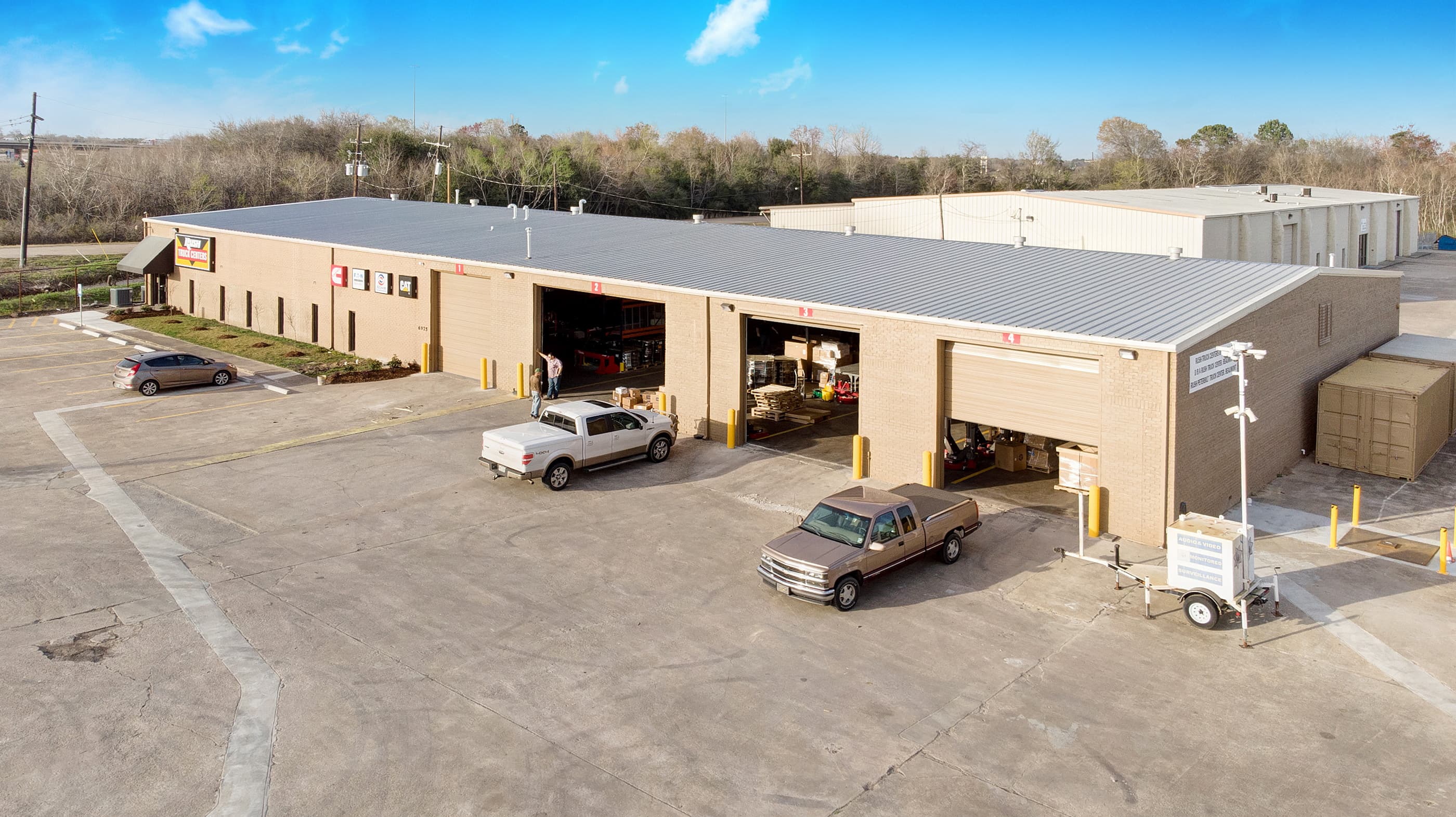
Worship buildings are ground-up projects with a large clear-span room and a demanding interior, and the site work is rarely trivial. SYB's Satellite Shelters build ran the same shape of job — site preparation, 18,400 sq ft of concrete, a 12,000 sq ft structure, and complete utility infrastructure — over ten months. We build across Tyler, Canton, Athens, and the surrounding communities.
Get a Free Estimate for Your Church Building Project
SYB Builders is a licensed commercial general contractor headquartered in Canton, Texas, with 45+ years of experience in metal building and ground-up construction across East Texas — Canton, Tyler, Athens, Terrell, Forney — and the DFW metroplex. We work with building committees from master plan through occupancy, and we put real numbers on the table early enough to serve your capital campaign, not complicate it. Request a free estimate or call (903) 560-8330 to walk your site with us.