To get a certificate of occupancy (CO) in Texas, your building must pass a sequence of final inspections — building, electrical, plumbing, mechanical, and fire marshal, plus health department for food service — after which the city issues the CO, typically within same-week to 3 weeks. Fees are modest, usually $50-500 depending on the city, but the closeout documentation behind those inspections is where projects lose weeks. No commercial building in a Texas city can legally open its doors without one, so the CO is the true finish line of every project.
What Is a Certificate of Occupancy and When Do You Need One?
A certificate of occupancy is the city's official statement that a building complies with the adopted building code, fire code, and zoning ordinance for a specific use, and is safe to occupy. In Texas, cities require a new or updated CO in four common situations:
- New construction. Every new commercial building needs a CO before occupancy — this is universal.
- Change of occupancy or use. Converting a retail space to a restaurant, or an office to a medical clinic, changes the occupancy classification under the International Building Code (IBC). The new use triggers a new CO, and often triggers upgrades — added exits, fire separation, ventilation, plumbing fixture counts — to meet the more demanding classification.
- New tenant or ownership. Many Texas cities require a new CO whenever a commercial space changes tenants or owners, even with no construction at all. The inspection is usually lighter, but skipping it can hold up utility service in the new tenant's name.
- Substantial renovation. Major remodels typically require a new CO at completion, confirming the altered building still complies.
The CO sits at the end of the permit chain that started months earlier — for the front end of that chain, see our guide to commercial construction permits in Texas.
What Inspections Are Required Before a CO Is Issued?
The CO is issued only after every trade passes its final inspection. The typical sequence on a Texas commercial project:
- Building final: The general inspection covering life safety, exits, accessibility features, structural completion, and general code compliance.
- Electrical final: Panels labeled, devices trimmed out, exit and emergency lighting functional. Passing electrical final is usually also the trigger for the city to release permanent power with the utility.
- Plumbing final: Fixtures set and functional, water heater compliant, backflow prevention devices tested and tagged.
- Mechanical final: HVAC equipment installed and operating, condensate handled, fire dampers accessible.
- Fire marshal final: Often the most demanding stop — fire alarm acceptance test, sprinkler system test where applicable, extinguishers mounted and tagged, exit signage, Knox box installed, addresses posted. Texas requirements here layer local amendments over the adopted fire code; our overview of fire code requirements for Texas commercial buildings covers what the fire marshal will look for.
- Health department: Required for restaurants, food service, and some medical uses — grease trap sized and permitted, finishes washable, handwash stations placed correctly.
Inspections have dependencies — you generally cannot schedule the fire alarm acceptance test until permanent power is on, and you cannot get permanent power until electrical final passes. A GC who sequences these correctly saves one to three weeks at the end of the job, right when the owner's move-in date is bearing down.
What Is a Temporary Certificate of Occupancy (TCO)?
A TCO lets an owner legally occupy a building before every last item is complete, when the remaining work does not affect life safety. Cities issue TCOs with three standard characteristics:
- Conditions. The TCO lists exactly what remains — commonly landscaping, final parking lot striping, punch-list finishes — and may restrict occupancy to certain floors or areas. All life-safety systems must be complete and tested; no Texas city will issue a TCO with an incomplete fire alarm or sprinkler system.
- Expiration. TCOs typically run 30-90 days. Extensions are possible but not automatic, and repeated extensions get harder to obtain.
- Security. Some cities require a deposit or bond against the outstanding work before issuing a TCO.
A TCO is a legitimate tool — it can let a tenant start fixturing or a business hit a season-critical opening while sod goes down. But treat it as a short bridge, not a destination: an expired TCO puts the occupant in the same legal position as having no CO at all.
Why Do Buildings Fail Their Final CO Inspection?
The same handful of items delay COs across Texas, and almost all of them are documentation and coordination failures rather than construction failures:
- Missing fire alarm and sprinkler certifications. The fire marshal wants the completed acceptance test documents from the licensed alarm and sprinkler contractors, not a verbal assurance. Missing paperwork here is the number one CO delay.
- Accessibility items. Texas layers its own Texas Accessibility Standards (TAS) on top of the ADA — projects over $50,000 must be registered with TDLR, and a Registered Accessibility Specialist (RAS) inspection is required within a year of completion. Common failures: restroom grab bar heights, ramp slopes a fraction over 1:12, missing signage, and parking access aisle striping.
- Unfinished site work. Detention pond grading, final asphalt lift, accessible route from parking to entry, and dumpster enclosures all count. Cities will TCO around landscaping, but not around an incomplete accessible route.
- Elevator certificates. Texas elevators require inspection and a current certificate through the TDLR program before the building housing them opens.
- Utility and addressing loose ends. Backflow test reports not filed, permanent addresses not posted, meters not released.
How Does the CO Process Differ by City in East Texas?
Every jurisdiction runs the same basic play, but the details vary enough to matter:
- Tyler: The largest East Texas permitting operation, with separate building and fire marshal tracks and online inspection scheduling. Expect the full final-inspection cycle to take 1-3 weeks when documents are in order, and build in lead time for the fire alarm acceptance test, which books out days in advance.
- Canton and similar smaller cities: Smaller building departments, often with a contracted or shared inspector. Reviews are faster and more personal — final inspections can frequently be scheduled within days — but inspector availability can be limited to certain days of the week, so one missed inspection can cost a full week. Local relationships matter; SYB Builders is headquartered in Canton and works these processes constantly. City-by-city specifics for the whole region are collected in our East Texas commercial permit city guide.
- Unincorporated county areas: Texas counties generally have no building code authority over commercial construction and do not issue certificates of occupancy. That does not mean no rules apply — state requirements like TAS accessibility review, state electrical licensing, on-site septic permitting through the county, and the state fire marshal's reach for certain occupancies all still apply, and your insurer and lender will expect code-compliant construction regardless. Building in the county removes a step, not the standards.
How Long Does a CO Take and What Does It Cost?
Once all final inspections pass, Texas cities issue the CO on timelines ranging from same-week in small cities to about 3 weeks in larger ones. The fee itself is minor — typically $50-500 depending on the city and building size. The real schedule variable is everything upstream: a failed inspection means correction plus a re-inspection trip (some cities charge $50-100 re-inspection fees), and each failed-and-rescheduled cycle costs 3-10 days. Budgeting 2-4 weeks in the master schedule between substantial completion and CO in hand is realistic planning; assuming zero is how move-in dates get missed. The closeout habits that make this phase fast are set months earlier — collecting certifications as systems are completed rather than hunting for them at the end — which is a discipline that starts in the preconstruction phase when the closeout checklist is first built.
What Happens If You Open Without a CO?
Operating a commercial building without a CO in a Texas city is a code violation with practical teeth:
- Fines. Municipal citations commonly run $200-$2,000 per day, and each day of occupancy can be charged as a separate offense.
- Utility holds. Cities routinely tie permanent utility release to the CO — no certificate, no permanent power or water in the tenant's name.
- Insurance and lease exposure. Occupying without a CO can give an insurer grounds to contest a claim, and most commercial leases and loan agreements require the tenant or owner to comply with all laws — opening without a CO breaches both.
- Forced closure. The city can simply order the building vacated until the certificate is issued.
Weighed against a $50-500 fee, there is no scenario where opening early is worth it.
How Does the General Contractor Manage CO Closeout?
On a well-run project, the owner never chases a CO — the GC delivers it. That means maintaining a closeout log from day one: every certification the city will want (fire alarm and sprinkler acceptance tests, backflow reports, elevator certificate, RAS inspection, energy code compliance forms), collected as each system finishes rather than reconstructed at the end. It means sequencing finals in dependency order, walking the building against the inspector's checklist before the inspector arrives, and hand-carrying the CO application with the complete package so the city has no reason to pause. SYB Builders has been closing out commercial projects across East Texas and DFW for 45+ years, and our construction project management service treats the CO — not the last coat of paint — as the definition of done.
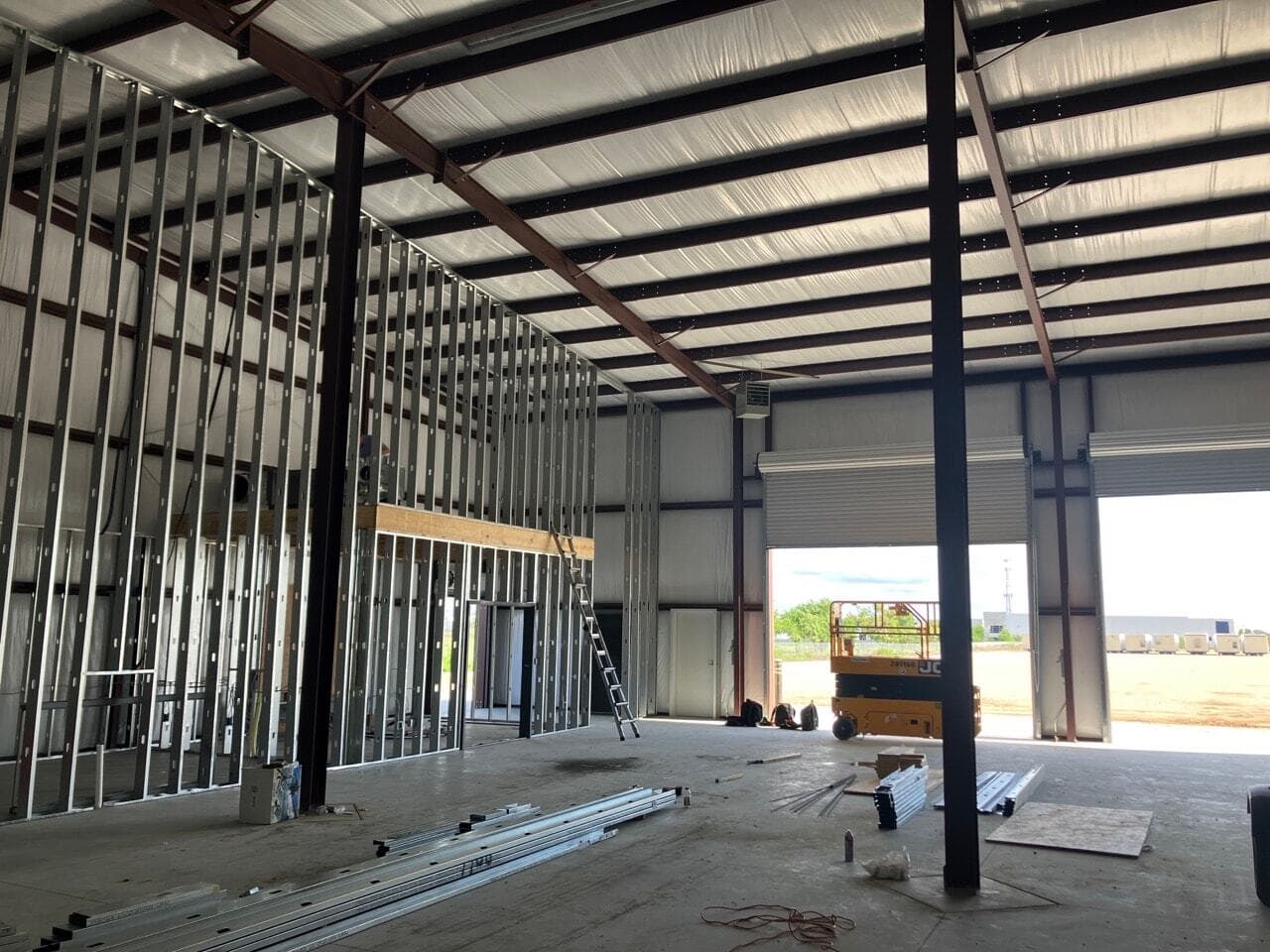
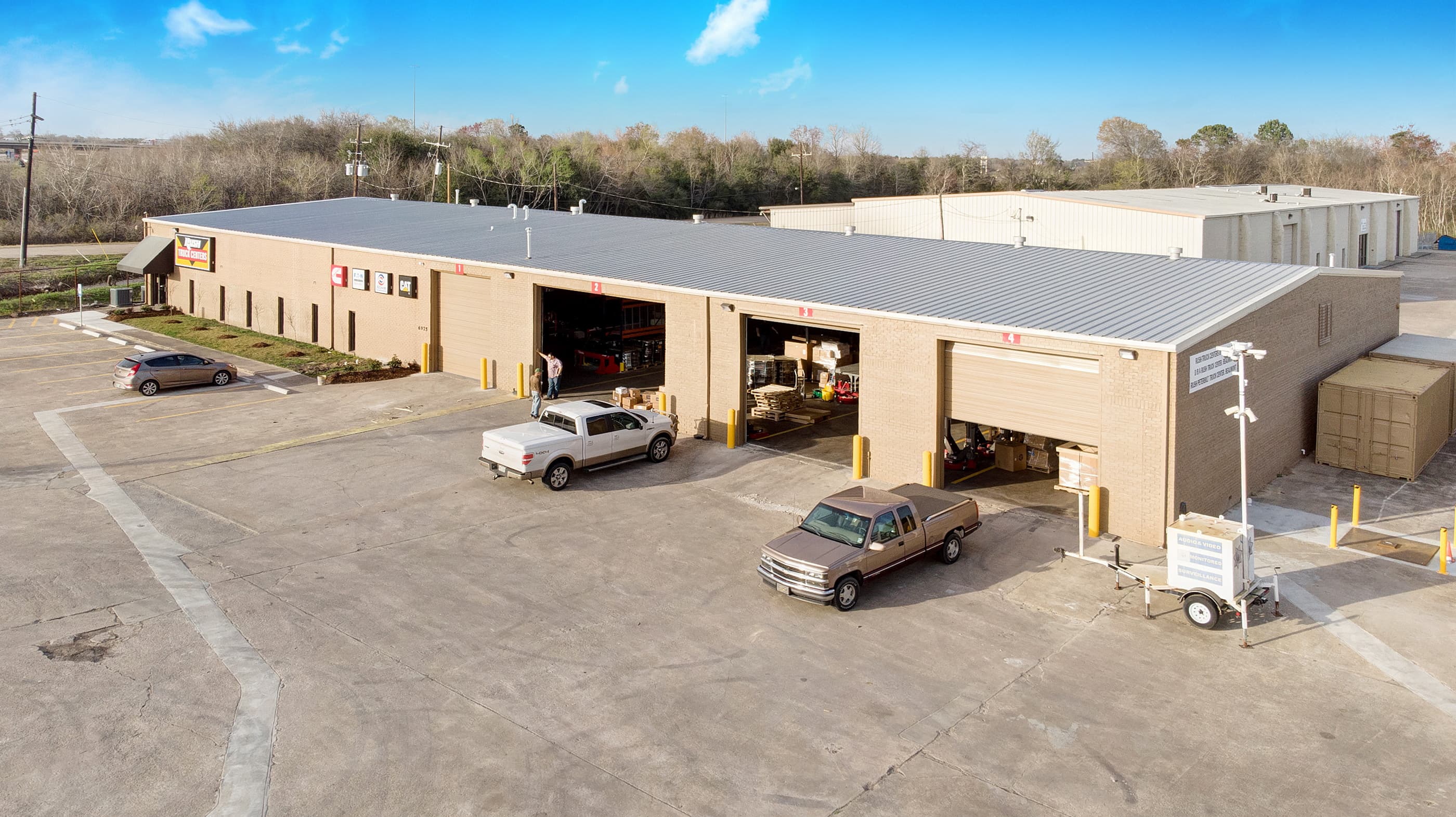
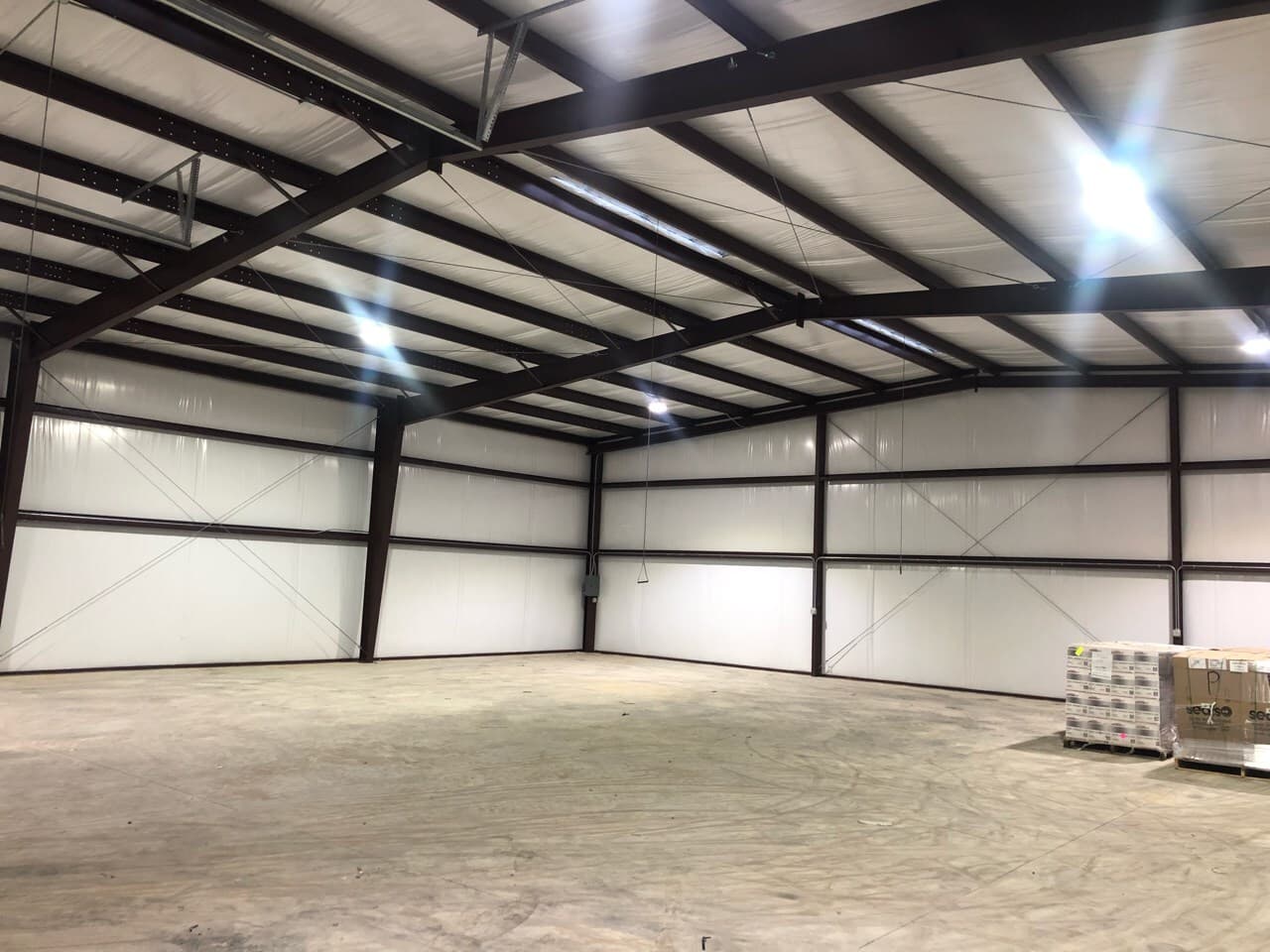
On a multi-system build the CO depends on every trade finishing its own acceptance test. SYB's Rush Truck Center Laredo West project required HVAC, sprinkler, electrical, and plumbing finals across 18,000 sq ft before the building could be occupied — which is why we track closeout documentation from the first week rather than the last. We manage the same process for owners in Tyler and across East Texas.
Get Your Building Open On Schedule
The certificate of occupancy is where every earlier decision on your project comes due, and it is far easier to earn with a contractor who plans closeout from the first week. Whether you are building ground-up in Tyler, finishing out a space in Canton, or converting a building to a new use anywhere in East Texas or DFW, SYB Builders manages the inspections, documentation, and city coordination that put the CO in your hand on time. Request a free estimate for your project, or call (903) 560-8330 to talk through your occupancy timeline before you commit to an opening date.