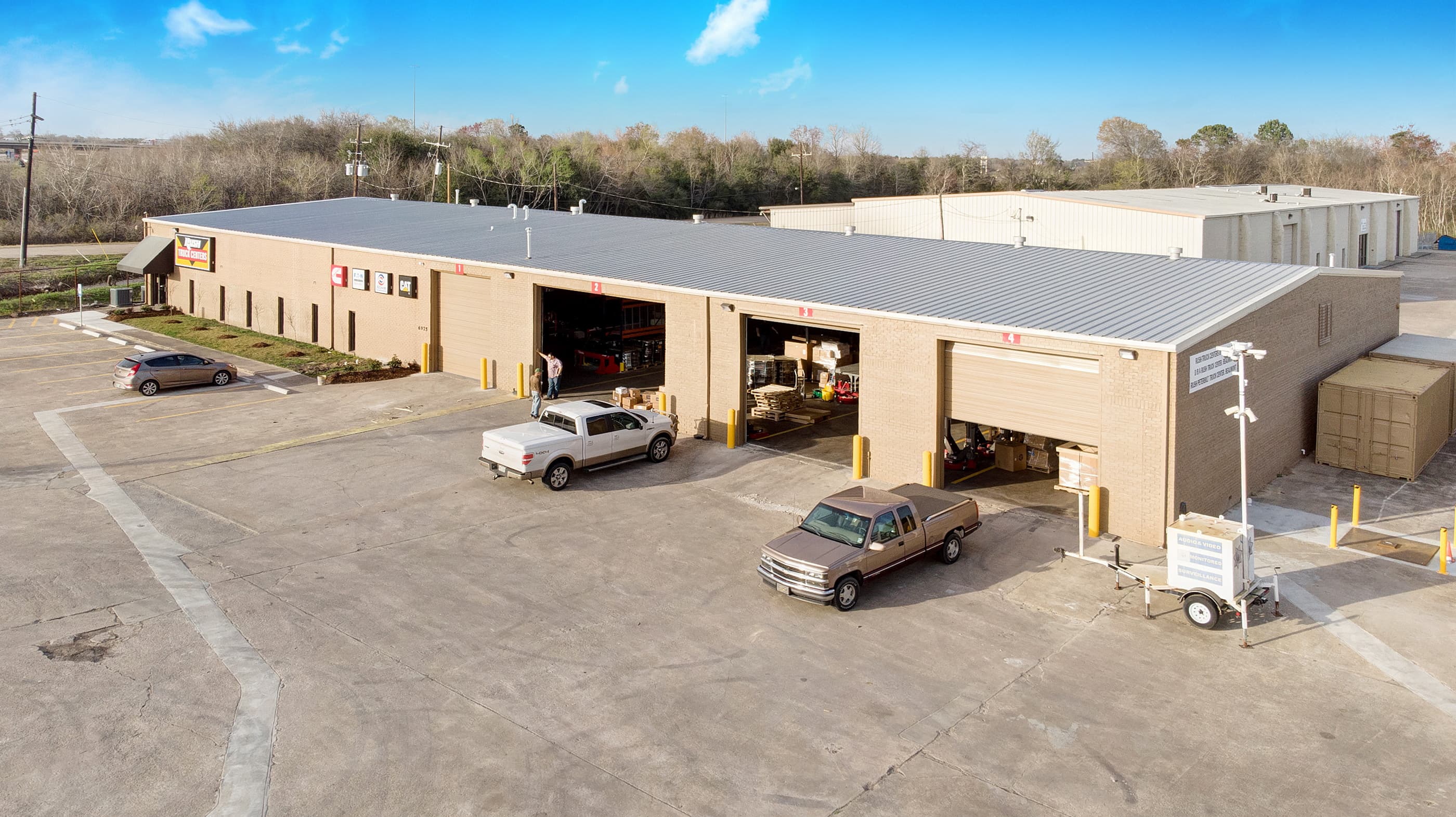
Building a strip center in Texas costs $140 to $220 per square foot for shell construction in 2026, which puts a typical 10,000-square-foot center at $1.4 million to $2.2 million before land and site work. Vanilla-box interiors add $30 to $60 per square foot, and full turnkey delivery with tenant finishes runs $220 to $320 per square foot. In East Texas markets like Tyler, Canton, and Athens, expect to land 20-35% below comparable Dallas-Fort Worth pricing for the same building.
How Much Does a Strip Center Cost Per Square Foot in Texas?
Strip center pricing depends almost entirely on how finished the building is when you hand keys to tenants. Here are realistic 2026 ranges for Texas, based on single-story, wood-or-steel-frame retail centers of 8,000 to 25,000 square feet:
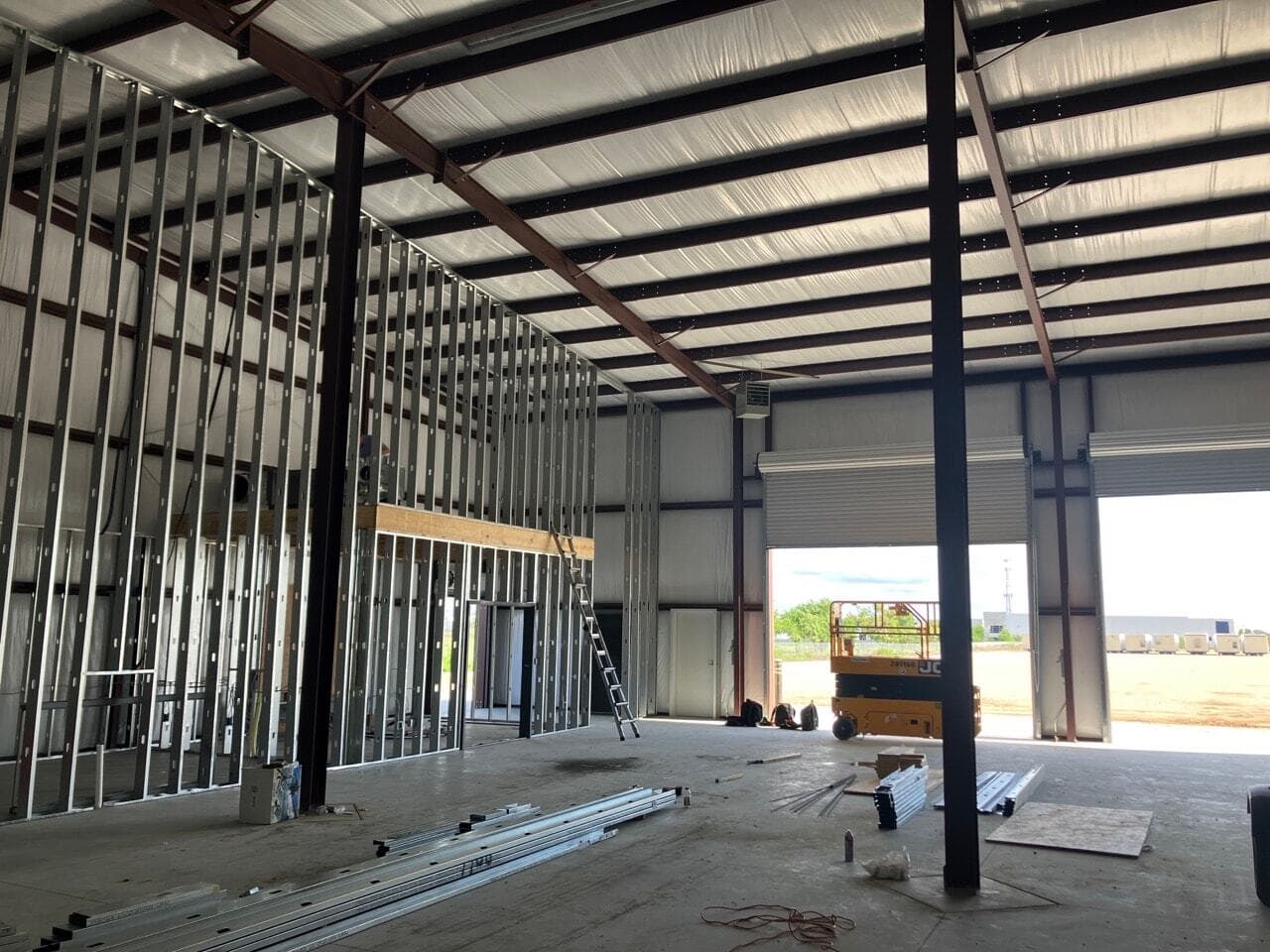
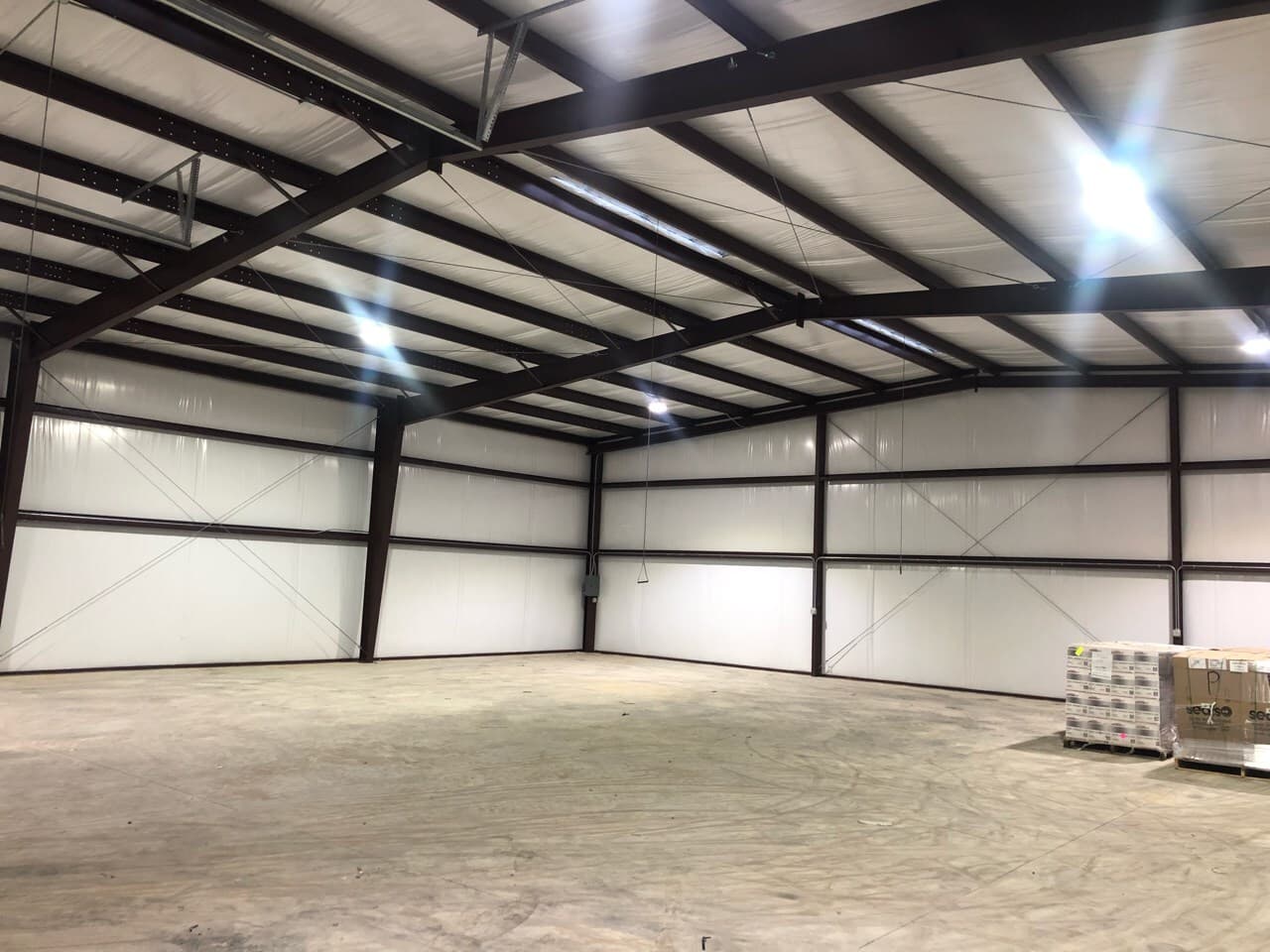
- Cold shell: $140 - $190 per square foot. Structure, roof, storefront glazing, demising walls to the deck, utility stubs, and fire riser. No HVAC, no interior finishes, unfinished slab in tenant spaces in some cases.
- Warm shell: $160 - $220 per square foot. Adds rooftop HVAC units, electrical panels in each suite, restroom rough-ins, and a finished slab. Most Texas landlords deliver warm shell because it leases faster.
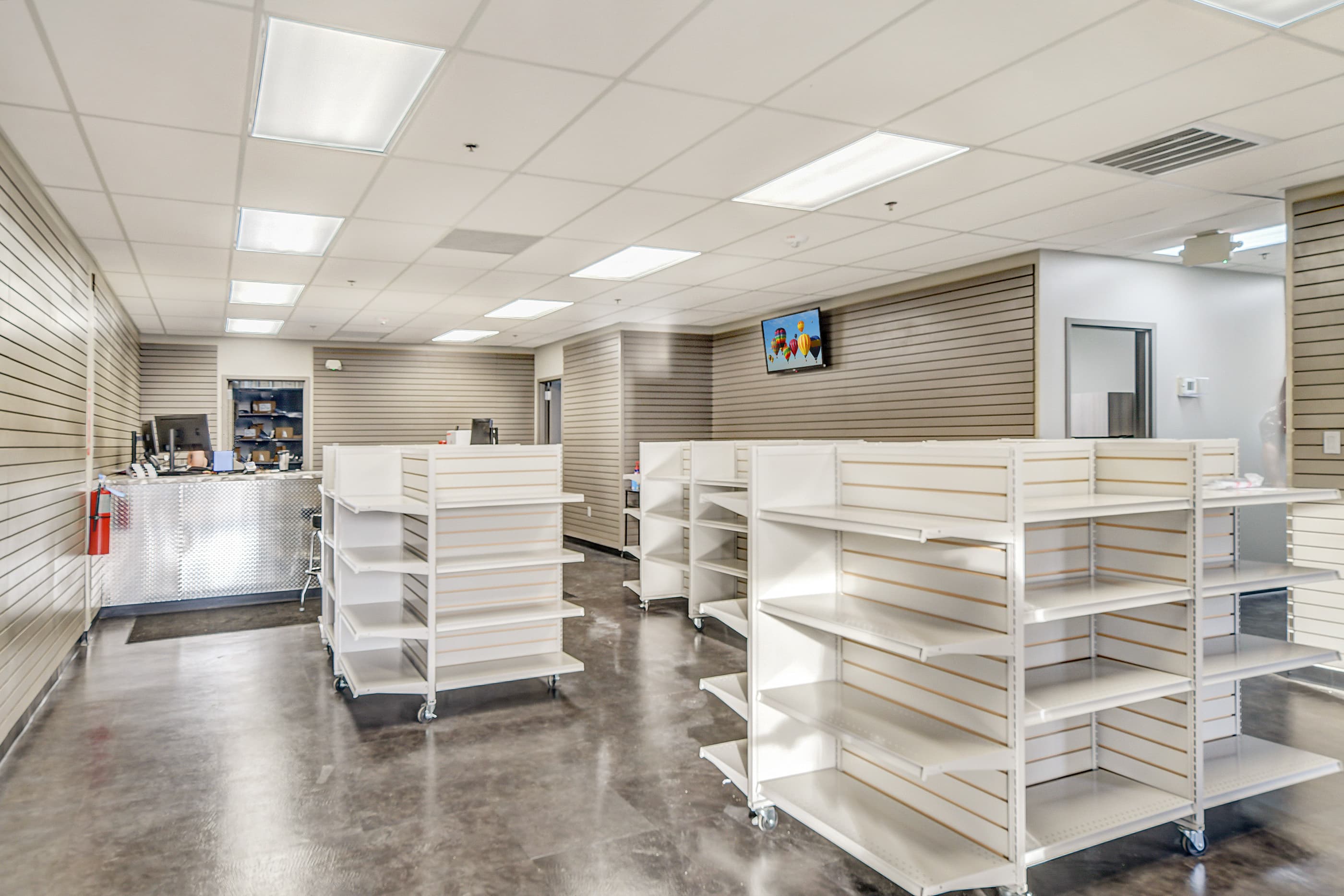
- Vanilla box: add $30 - $60 per square foot per suite. Finished ceilings, lighting, ADA-compliant restroom, painted walls, VCT or polished concrete floors, and distributed HVAC. This is the standard delivery condition for national credit tenants.
- Turnkey: $220 - $320 per square foot all-in. The landlord builds out each space to the tenant's specification, then recovers the cost through rent. Common with medical, restaurant, and franchise tenants.
These numbers cover vertical construction only. Land, site work, soft costs, and financing come on top, and together they typically add 30-50% to the total project budget. Our retail and showroom construction team prices all four delivery levels on every estimate so owners can see exactly what each step up costs.
What Is the Difference Between Shell, Vanilla Box, and Turnkey?
Owners new to retail development often budget for shell pricing and get surprised by the gap between shell and leasable. The distinction matters because it changes who pays for what:
- Shell is the landlord's baseline capital cost. Every square foot of the building carries it whether the space is leased or vacant.
- Vanilla box is usually a landlord cost too, but only triggered suite-by-suite as leases sign. On a 10,000-square-foot center, holding back $300,000 - $600,000 in vanilla-box budget until leases are executed protects your cash position.
- Turnkey build-outs get repaid through the lease. A $75-per-square-foot restaurant build-out amortized over a 10-year lease adds roughly $9 - $11 per square foot per year to that tenant's rent at 2026 interest rates.
Structuring the project this way, with a phased construction contract that separates shell from tenant work, is standard practice on our ground-up construction projects and keeps owners from over-building space for tenants they have not signed yet.
How Much Do Land and Site Work Add to a Strip Center Budget?
Site costs are where East Texas has its biggest advantage. Commercial land in Canton runs $2 - $5 per square foot and Tyler pad-ready retail land runs $8 - $18 per square foot, while comparable DFW corridor sites run $25 - $50 per square foot. On a 1.5-acre strip center site, that difference alone is $500,000 to $2 million.
Site development for a typical strip center includes:
- Grading and drainage: $3 - $8 per square foot of site area. East Texas red clay soils move with moisture, so proper drainage design is not optional. Engineered slab-with-piers foundations add $8 - $15 per square foot of building footprint on expansive clay sites.
- Utilities: $40,000 - $150,000 for water, sewer, and electrical service depending on distance to existing mains and city tap fees.
- Parking and paving: Texas retail zoning generally requires 4 to 5 parking spaces per 1,000 square feet of leasable area. Each space consumes roughly 325 square feet of paved area including drive aisles, and full-depth concrete paving with striping, lighting, and drainage costs $2,500 - $5,000 per space. A 12,000-square-foot center needing 60 spaces should budget $150,000 - $300,000 for the lot. Our parking lot construction crews handle this scope in-house, which keeps the schedule tied to the building instead of waiting on a third-party paving contractor.
How Does Tenant Mix Change Strip Center Construction Costs?
Two centers with identical footprints can differ by $40 per square foot based purely on who is moving in:
- Restaurant end caps are the biggest cost driver. Grease traps ($8,000 - $25,000 installed), Type 1 hood systems, upsized gas and electrical service, and outdoor patio structures push restaurant suites to $250 - $400 per square foot finished. Plan restaurant infrastructure into the shell even if the tenant is not signed, because retrofitting a grease trap under a finished parking lot costs 2-3 times more.
- Medical and dental tenants need extra plumbing drops, dedicated HVAC zones, and often lead-lined walls for imaging, running $300 - $475 per square foot finished.
- Service and soft-goods retail (salons, insurance offices, boutiques) are the cheapest suites to deliver, usually within $10 per square foot of vanilla-box baseline.
A smart tenant mix also drives rents. In East Texas, a drive-thru-capable end cap leases for $6 - $10 per square foot per year more than an inline suite, which is why we recommend designing at least one end cap with stacking room for 6-8 cars.
What Soft Costs and Contingency Should You Budget for a Strip Center?
Hard construction is only part of the check you will write. On a typical East Texas strip center, plan for these soft costs on top of the shell and site numbers above:
- Architecture and engineering: 5 - 8% of construction cost, covering architectural, civil, structural, and MEP design plus a geotechnical report ($3,500 - $8,000) that your foundation engineer will require on red clay sites.
- Permits and fees: $1,500 - $8,000 for building permits in East Texas cities, plus utility tap and impact fees of $5,000 - $25,000. TAS accessibility review and inspection adds $2,500 - $6,000 on any project over $50,000.
- Financing and carry: construction loan interest, appraisal, and closing costs typically run 3 - 5% of the project, and every month of schedule is roughly $12,000 - $18,000 in carry on a $3 million project at 2026 rates.
- Contingency: hold 10% on new construction, and do not release it early. On clay-soil sites, the most common draws are foundation adjustments and drainage revisions.
Leasing commissions and legal costs for tenant deals, usually 4 - 6% of total lease value, round out the pro forma. Owners who budget all of this on day one avoid the mid-project financing scramble that kills margins.
How Long Does It Take to Build a Strip Center in Texas?
Plan on 8 to 12 months from contract to certificate of occupancy for a typical single-building strip center, broken down roughly as follows:
- Design and engineering: 6 - 10 weeks for architectural, civil, structural, and MEP drawings.
- Permitting: 3 - 8 weeks in East Texas cities like Canton, Athens, and Terrell; 8 - 14 weeks in fast-growing DFW suburbs like Forney and Denton. TCEQ stormwater permitting applies to sites disturbing more than one acre, and TAS accessibility review is required on projects over $50,000.
- Site work and foundation: 8 - 12 weeks, weather dependent. Pier drilling in red clay adds 1 - 2 weeks versus a simple slab.
- Vertical construction and dry-in: 12 - 16 weeks.
- Finish-out and inspections: 6 - 10 weeks for vanilla-box suites, longer for turnkey restaurant or medical spaces.
What Kind of Return Can a Texas Strip Center Generate?
Here is the math most lenders will run on an East Texas deal in 2026. Take a 12,000-square-foot warm-shell center built at $175 per square foot ($2.1 million), plus $250,000 for land, $350,000 for site work and parking, and $300,000 for soft costs, vanilla-box allowances, and contingency, for a total basis around $3 million, or $250 per square foot all-in.
East Texas retail rents in 2026 run $16 - $24 per square foot per year triple-net. At a blended $19 per square foot and 92% occupancy, the center produces about $210,000 in annual NNN income. After a management and reserve allowance of roughly $20,000, net operating income lands near $190,000, a 6.3% yield on cost. With East Texas retail cap rates trading at 6.75 - 7.5%, the real return comes from two places: building at East Texas construction costs instead of DFW costs, and pushing rents on end caps and pad sites. Developers who buy their land right and hold construction to the ranges above routinely reach 7.5 - 8.5% yield on cost, creating $400,000 - $700,000 in day-one value over their basis.
How Do East Texas Strip Center Costs Compare to DFW?
The same 12,000-square-foot warm shell that costs $2.1 million in Tyler or Canton typically prices at $2.6 - $2.9 million in the DFW metroplex, before the land premium. Labor rates run 15-25% higher in the metro, permit timelines stretch longer, and impact fees in high-growth suburbs can add $50,000 - $150,000. For the full regional picture, see our 2026 Texas commercial construction cost guide. And if you are weighing retail against other commercial product types, our breakdown of office building construction costs in East Texas shows how the two compare on both cost and rent.
The tenant-facing end of a strip center is where the money becomes visible. SYB's showroom remodel in Brownsville is that kind of work — a room designed for customers rather than for storage — and it is the same finish standard a national retail tenant will hold you to in Tyler.
Get an Estimate for Your Strip Center Project
SYB Builders has spent 45+ years building commercial projects across East Texas and the DFW metroplex, from our headquarters in Canton at the crossroads of I-20 and Highway 19. We price strip centers at every delivery level, shell through turnkey, with real subcontractor numbers instead of allowances that blow up later. Request a free estimate for your strip center project, or call us at (903) 560-8330 to talk through your site, your tenant mix, and a realistic budget before you close on land.