Choosing a commercial general contractor in East Texas requires evaluating their licensing, insurance, bonding capacity, local experience, and communication practices. The right contractor will manage your entire project from permits through final punch list, keeping it on schedule and on budget while delivering the quality your business demands.
Why Choosing the Right General Contractor Matters for East Texas Projects
A commercial construction project is one of the largest investments most business owners will ever make. In East Texas, where local market knowledge can mean the difference between a smooth project and a costly disaster, your choice of general contractor has an outsized impact on the outcome. The right contractor understands the soil conditions in Van Zandt County, knows which subcontractors deliver quality work in Tyler, and has established relationships with building inspectors across the region.
A poor choice, on the other hand, can result in budget overruns, months of delays, code violations, and legal disputes. Taking the time to thoroughly vet your contractor before signing a contract is the single most important step you can take to protect your investment.
Licensing and Insurance Requirements in Texas
Texas does not require a statewide general contractor license, which surprises many business owners. Unlike states such as California or Florida, anyone in Texas can legally call themselves a general contractor. This makes your due diligence even more critical. Here is what you should verify:
What to Check Before Hiring in Tyler and Canton
- Local business registration: While Texas has no state license, many cities require contractors to register. Tyler, for example, requires a contractor registration with the Building Inspections Department. Canton and smaller East Texas cities may have their own registration requirements.
- General liability insurance: Require a minimum of $1 million per occurrence and $2 million aggregate. Ask for a certificate of insurance naming your business or property as an additional insured.
- Workers' compensation insurance: Texas does not mandate workers' comp for all employers, but reputable commercial contractors carry it. If your contractor's workers are injured on your project without coverage, you could face significant liability. Read our full guide to commercial construction insurance requirements in Texas for detailed coverage thresholds and verification steps.
- Commercial auto insurance: Covers vehicles used on your project site.
- Umbrella or excess liability policy: For projects over $500,000, look for contractors carrying an umbrella policy of $2-5 million.
- Bonding capacity: For larger projects, ask about the contractor's bonding capacity. A surety bond protects you if the contractor fails to complete the project or pay their subcontractors.
10 Questions to Ask Every Commercial Contractor
Before signing any contract, sit down face-to-face with your prospective contractor and ask these essential questions. Their answers — and how they answer — will tell you a great deal about how your project will be managed.
- How many commercial projects have you completed in this area? Local experience matters enormously. A contractor who has built in Tyler understands the city's plan review process, common soil conditions, and reliable local subcontractors.
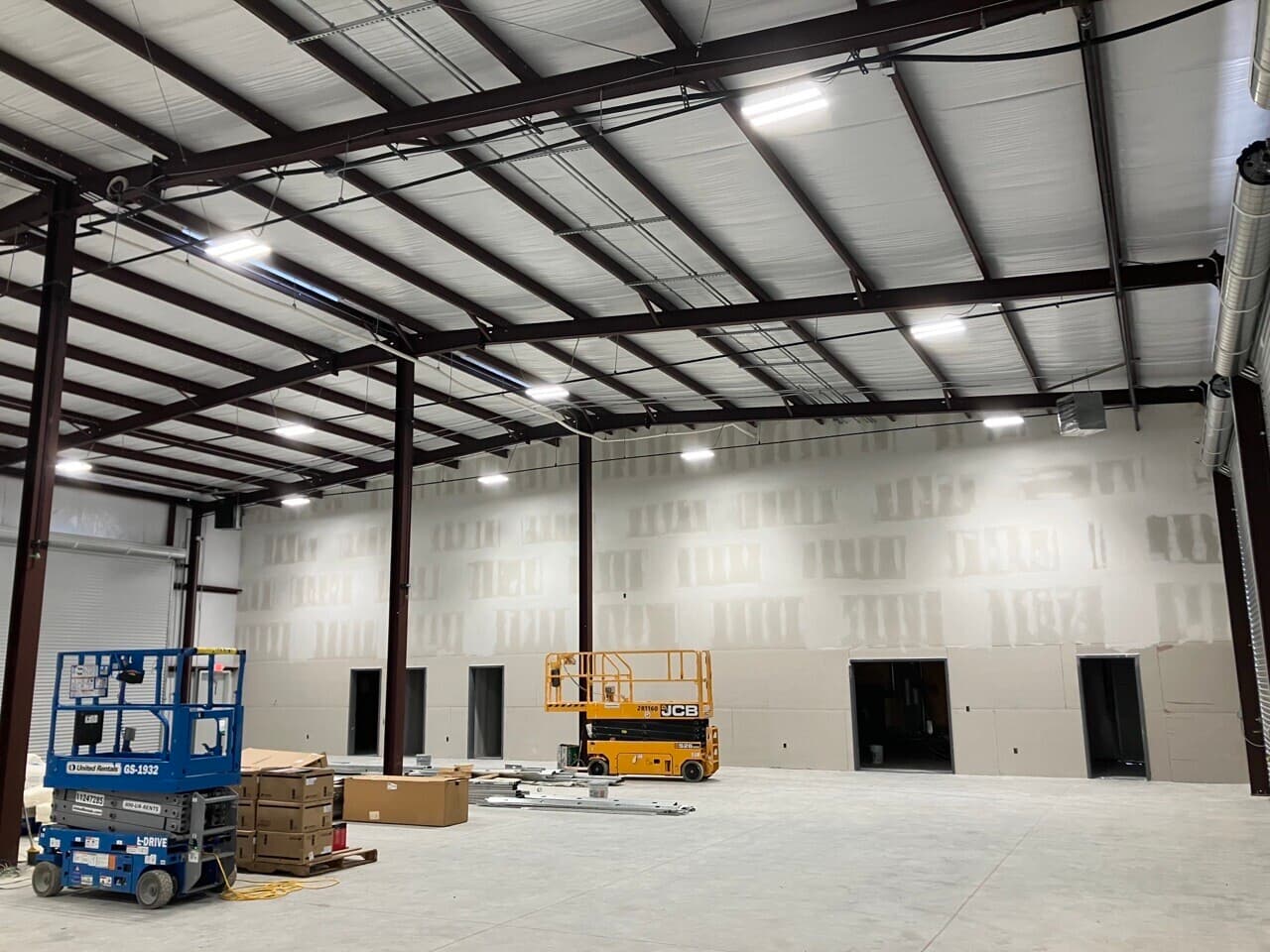
- Can I visit a current job site? A clean, organized job site is a strong indicator of professional management. If they refuse, consider it a red flag.
- Who will be my day-to-day point of contact? On some projects, the person who sold you the job disappears after signing. You need to know who will actually manage your build.
- How do you handle change orders? Change orders are inevitable. A good contractor has a transparent process for documenting changes, getting your approval, and adjusting the schedule and budget accordingly.
- What is your current workload? Overcommitted contractors spread their superintendents thin. If they are running too many projects simultaneously, yours will suffer.
- How do you handle subcontractor quality control? Your general contractor is responsible for every subcontractor's work. Ask about their vetting process and on-site supervision practices.
- What project management tools do you use? Modern contractors use software to track schedules, budgets, documents, and daily logs. This transparency keeps everyone accountable.
- Can you provide references from projects of similar size and scope? Building a small office is very different from constructing a 20,000 square foot warehouse. References should be relevant to your project type.
- What is your standard warranty? Reputable commercial contractors offer a minimum one-year workmanship warranty. Some provide longer coverage on specific systems.
- How do you handle disputes? Review the dispute resolution clause in the contract. Mediation is preferable to litigation for both parties.
Red Flags That Should Disqualify a Contractor
In over two decades of commercial construction across East Texas, SYB Builders has seen the aftermath of business owners hiring the wrong contractor. Watch for these warning signs:
- Unusually low bids: If one bid comes in 25-40% below the others, something is wrong. The contractor is either underestimating the scope, planning to cut corners, or intending to make up the difference through change orders.
- No physical office or yard: A legitimate commercial contractor should have an established place of business you can visit.
- Reluctance to provide insurance certificates: This is non-negotiable. A contractor who hesitates or deflects is a contractor you should walk away from.
- No written contract: Verbal agreements are worthless in commercial construction. Your contract should detail scope, timeline, payment schedule, change order process, and dispute resolution.
- Demanding large upfront payments: Be wary of any contractor who asks for more than 10-15% of the total contract value before mobilizing. Progress payments tied to completed milestones are standard industry practice.
- Poor communication during the bidding process: If a contractor is slow to respond, vague in their answers, or difficult to reach before they have your money, it will only get worse once the project starts.
- No documented safety program: Commercial job sites are dangerous. A contractor without a written safety program and regular toolbox talks is exposing you to liability.
Why Local Experience Matters in Dallas-Fort Worth and East Texas
There is no substitute for local knowledge in commercial construction. A contractor based in East Texas who has built dozens of projects in the region offers advantages that out-of-area firms simply cannot match:
- Permitting expertise: Every municipality has its own processes and quirks. The project management approach that works in Canton's planning department is different from Tyler's, which is different from Dallas's. Local contractors know these systems and the people who run them.
- Subcontractor relationships: The best subcontractors in East Texas are booked months in advance. Established general contractors have priority relationships built on years of repeat business and reliable payment.
- Soil and climate knowledge: East Texas has specific soil conditions — primarily expansive clay — that require particular foundation strategies. A contractor who has built hundreds of foundations in this soil understands how to prevent costly settlement issues.
- Supply chain access: Local contractors know which suppliers offer the best pricing and most reliable delivery in Tyler, Canton, and the surrounding region.
How SYB Builders Approaches Commercial General Contracting
SYB Builders has been serving East Texas and the DFW metroplex with comprehensive commercial general contracting services for over two decades. Our approach is built on transparency, communication, and accountability. Every project gets a dedicated superintendent on site, weekly progress reports with photos, and direct access to our ownership team. We believe that no question should go unanswered and no concern should go unaddressed.
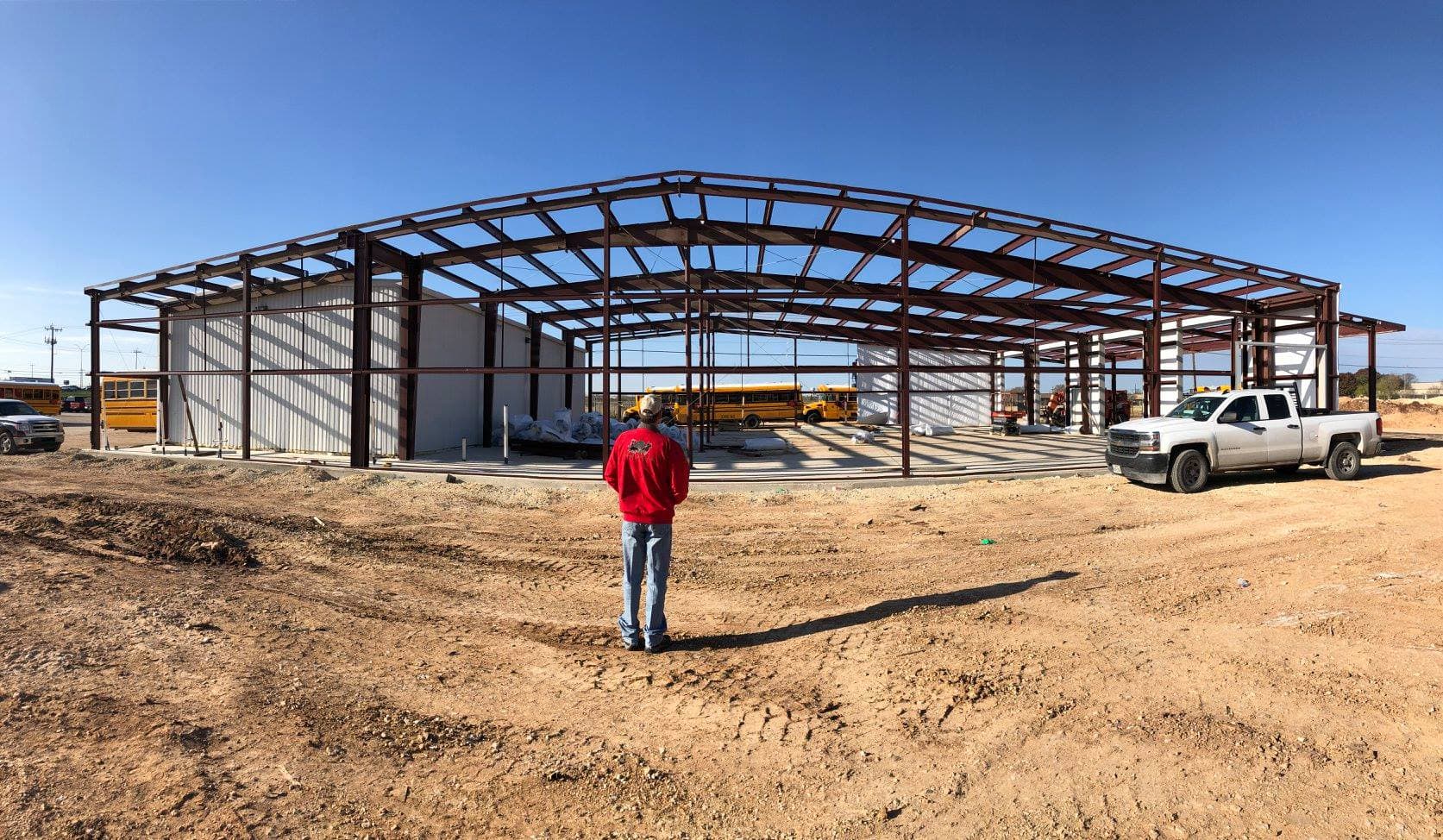
Our portfolio includes full-service construction project management for projects ranging from 2,000-square-foot tenant improvements to 50,000-square-foot ground-up industrial facilities. We invite you to visit any of our current job sites, speak with our past clients, and see firsthand why business owners across East Texas choose SYB Builders for their commercial construction needs.
Making Your Final Decision
After gathering bids, checking references, verifying insurance, and meeting with each contractor in person, trust your instincts. The cheapest bid is rarely the best value. Choose the contractor who demonstrates the deepest understanding of your project, communicates clearly and promptly, and has a verifiable track record of delivering quality commercial construction on time and on budget in East Texas.