Tenant improvements (TI) are the modifications made to a leased commercial space to suit a specific tenant's business operations. In Tyler and Canton TX, tenant improvement projects typically cost between $25 and $150 per square foot, take 4 to 12 weeks to complete, and require coordination between the tenant, landlord, and a qualified general contractor.
What Are Tenant Improvements?
Tenant improvements — sometimes called leasehold improvements or build-outs — encompass any construction or renovation work performed inside a leased commercial space to make it functional for the tenant's specific needs. This can range from simple cosmetic updates like fresh paint and carpet to major structural changes including new walls, plumbing, electrical systems, and HVAC modifications.
Common tenant improvement projects include:
- Constructing or relocating interior partition walls and offices
- Installing or upgrading restrooms to meet ADA requirements
- Upgrading electrical systems to support specialized equipment
- Adding HVAC zones for comfort or process requirements
- Building out reception areas, conference rooms, and break rooms
- Installing flooring, ceiling systems, and lighting
- Adding data and communications infrastructure
- Constructing specialized areas like medical exam rooms, commercial kitchens, or retail displays
Who Pays for Tenant Improvements in Tyler, TX?
One of the most common questions business owners ask is who covers the cost of tenant improvements. The answer depends on your lease negotiation, but there are several standard arrangements:
Tenant Improvement Allowance (TIA)
The most common arrangement in Tyler and Canton's commercial real estate market is a tenant improvement allowance. The landlord provides a fixed dollar amount per square foot — typically $15 to $50 per square foot for standard office and retail spaces — that the tenant can use toward their build-out. Any costs above the allowance are the tenant's responsibility. In Tyler's commercial market, TI allowances tend to be slightly lower than Dallas-Fort Worth averages but have been increasing as landlords compete for quality tenants.
Landlord-Funded Build-Out
In some cases, particularly for large or high-credit tenants signing long-term leases, the landlord funds the entire build-out. The cost is then amortized into the monthly rent over the lease term. This arrangement is more common in competitive markets and for spaces that have been vacant for extended periods.
Tenant-Funded Build-Out
Some leases, especially in Canton and smaller East Texas communities, require the tenant to fund their own improvements. This is typical for shorter leases, smaller spaces, or properties where the landlord offers a below-market base rent. When funding your own build-out, it is especially important to work with an experienced contractor like SYB Builders who can help you maximize your investment.
The Tenant Improvement Process Step by Step
Whether you are opening a new medical practice in Tyler, a retail store near Canton's First Monday grounds, or an office suite along the I-20 corridor, the TI process follows a predictable sequence:
Phase 1: Lease Negotiation and Space Planning (2-4 Weeks)
Before signing your lease, engage a general contractor for preliminary budgeting. SYB Builders frequently provides pre-lease estimates to help business owners understand the true cost of a space before committing. This step prevents the common mistake of signing a lease only to discover the build-out costs exceed your budget.
During this phase:
- Review the existing space conditions and infrastructure
- Identify required improvements and develop a preliminary scope
- Get a rough cost estimate to guide lease negotiations
- Negotiate TI allowance and construction terms in your lease
Phase 2: Design and Permitting (3-6 Weeks)
Once your lease is signed, detailed design work begins. For most tenant improvements in Tyler, you will need architectural drawings and engineering specifications. The City of Tyler Building Inspections Department requires permit applications for any work involving structural changes, electrical, plumbing, or HVAC modifications.
Canton's permitting process is generally faster and less complex, but still requires permits for significant interior modifications. Your tenant improvement contractor should manage the entire permitting process on your behalf.
Phase 3: Construction (4-10 Weeks)
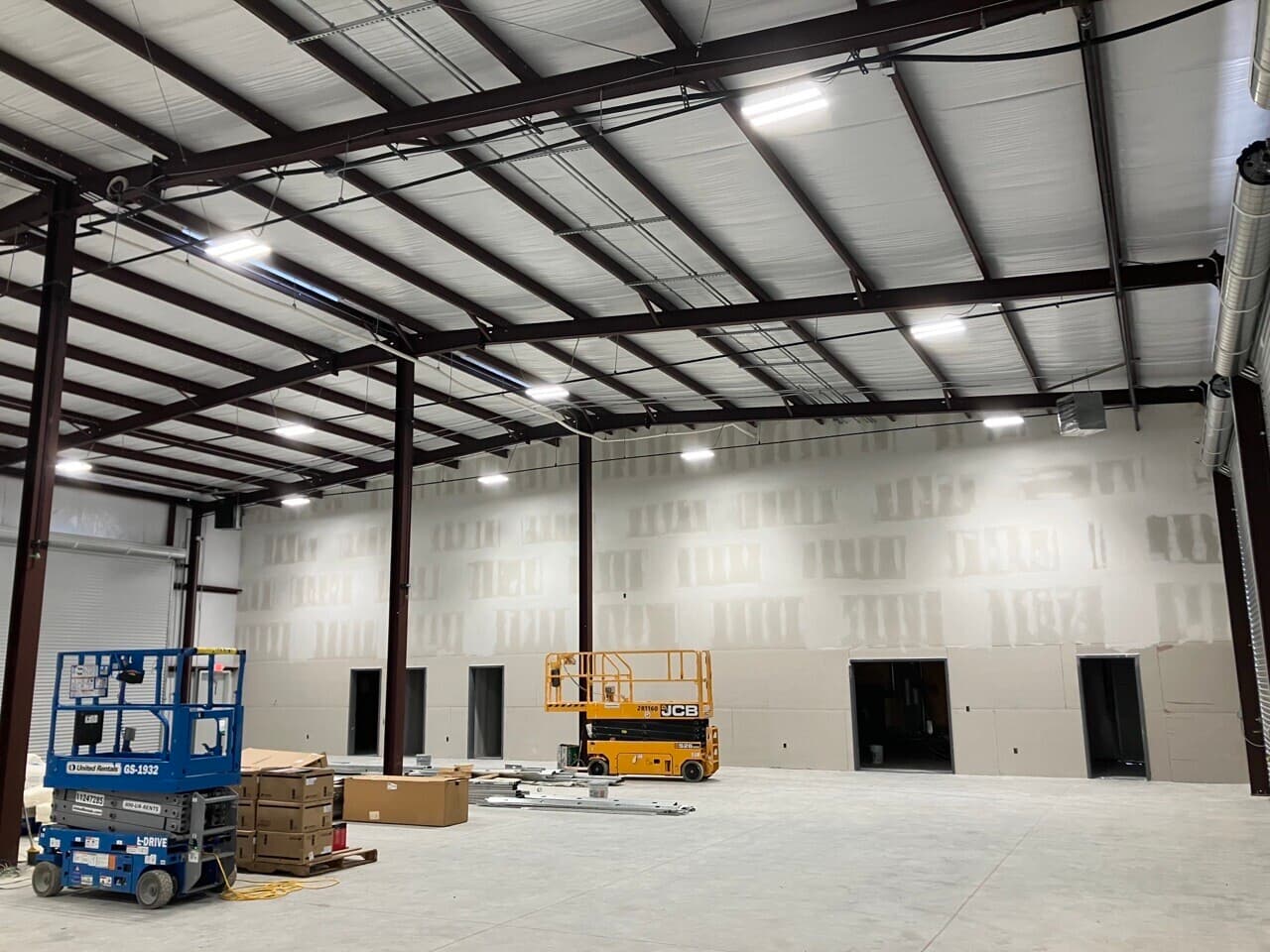
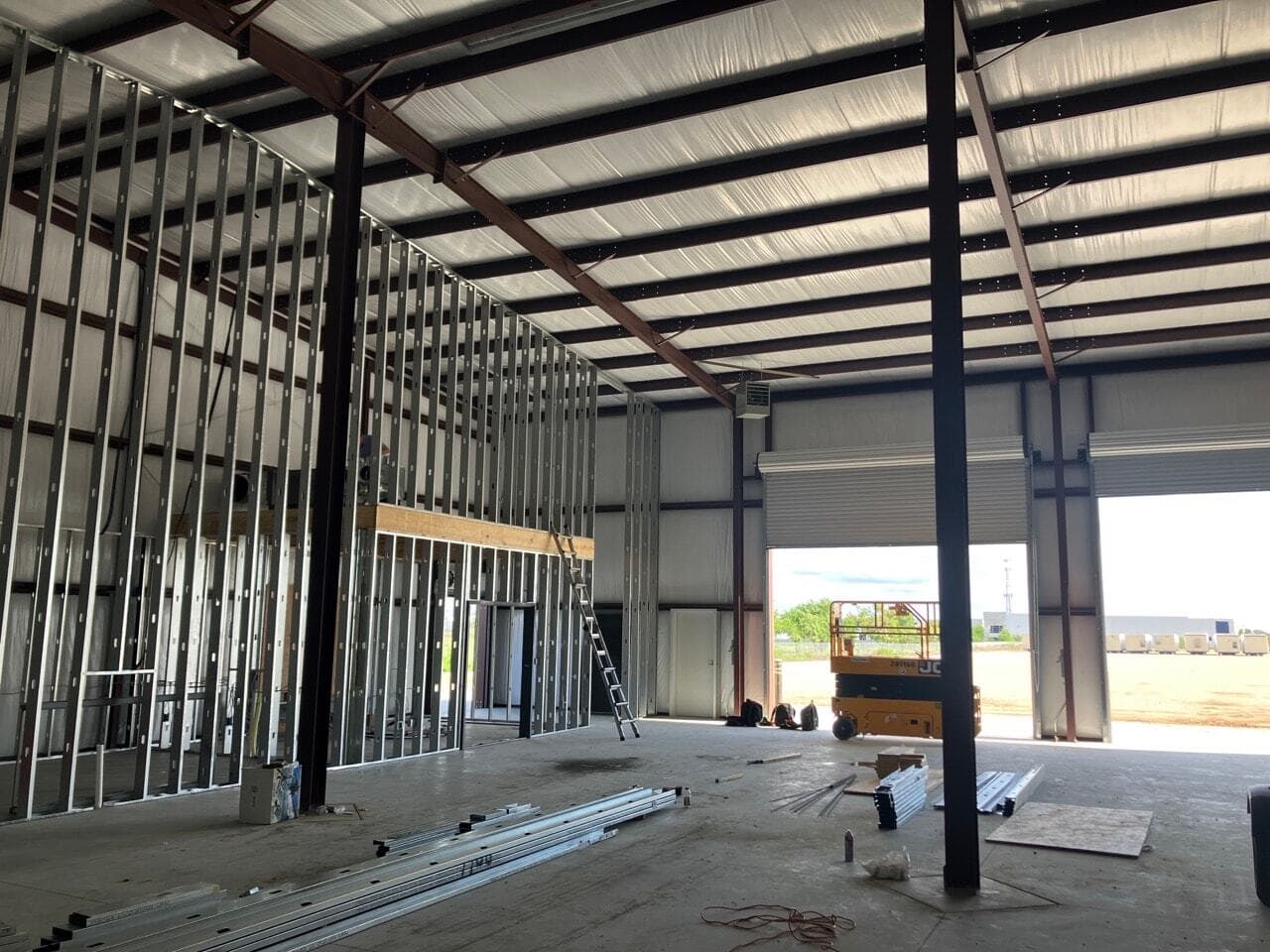
Construction begins with demolition of any existing elements that need to be removed, followed by rough framing, mechanical/electrical/plumbing (MEP) rough-ins, inspections, drywall, finishes, and final inspections. A well-managed TI project in East Texas typically follows this timeline:
- Week 1-2: Demolition and rough framing
- Week 2-4: MEP rough-in (electrical, plumbing, HVAC ductwork)
- Week 4-5: Inspections, drywall hanging and finishing
- Week 5-7: Painting, flooring, ceiling grid, and cabinetry
- Week 7-8: MEP trim-out (fixtures, outlets, equipment connections)
- Week 8-9: Final inspections, punch list, and certificate of occupancy
Tenant Improvement Costs in Canton and East Texas
TI costs in Canton and the broader East Texas region tend to be 15-25% lower than Dallas-Fort Worth averages due to lower labor costs and less complex permitting. Here are typical 2026 cost ranges for East Texas:
- Basic cosmetic refresh (paint, carpet, minor repairs): $15 - $35 per square foot
- Standard office build-out (new walls, lighting, basic finishes): $45 - $85 per square foot
- Professional office (law firms, accounting, insurance): $65 - $110 per square foot
- Medical/dental office: $100 - $175 per square foot
- Restaurant/food service: $125 - $225 per square foot
- Retail with custom showroom finishes: $55 - $120 per square foot
Common Mistakes Business Owners Make with Tenant Improvements in Dallas and Tyler
After completing hundreds of tenant improvement projects across East Texas, SYB Builders has identified the most costly mistakes business owners make:
- Not getting a contractor estimate before signing the lease: The TI allowance in your lease should be based on real construction costs, not guesses. A pre-lease estimate takes just a few days and can save tens of thousands.
- Underestimating permitting timelines: In Tyler, plan review for commercial tenant improvements typically takes 3-5 weeks. In Dallas, it can take longer. Build this into your schedule from the start.
- Choosing the cheapest contractor: Your build-out represents your business to every customer and employee who walks through the door. Cutting corners on construction quality is a false economy.
- Ignoring ADA requirements: ADA compliance is required for all commercial spaces open to the public. Restroom dimensions, door widths, ramp slopes, and signage requirements catch many business owners by surprise when they are discovered during final inspection. Read our complete guide to ADA compliance in commercial construction.
- Failing to coordinate with the landlord: Most leases require landlord approval of plans and contractor selection. Starting work without proper approvals can create legal problems and delay your project.
How SYB Builders Handles Tenant Improvements
SYB Builders provides full-service tenant improvement construction across Tyler, Canton, and the East Texas region. Our process is designed to minimize disruption to your business operations while delivering a finished space that reflects your brand and supports your workflow. We coordinate directly with your landlord, manage all permitting, and deliver your space move-in ready. Contact us for a consultation and preliminary estimate for your East Texas tenant improvement project.